


Does mumps cause pain?

Mumps incidence is seasonal. During severe outbreaks, many individuals with weakened immunity may become ill. At such times, patients may experience adverse symptoms such as headache and sore throat, prompting concern about their condition worsening significantly—potentially increasing treatment difficulty. So, does mumps cause pain?
Does mumps cause pain?
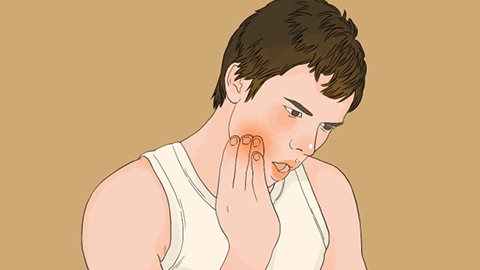
Patients with mumps commonly experience pain. In cases of suppurative parotitis, swelling and tenderness occur on the affected side of the parotid gland. Additional symptoms may include fever, decreased appetite, nausea, and vomiting. Bilateral parotid swelling, pain, vomiting, and fever may also occur in mumps patients. Individuals diagnosed with mumps should seek medical care at a hospital. Moreover, mumps patients require isolation to prevent transmission to others.

Antiviral medications are typically used for treating viral mumps. In contrast, suppurative parotitis is non-contagious and generally does not require isolation; instead, it is commonly treated with antibiotics. Although pain associated with mumps is usually mild, patients may develop fever and other serious complications. Therefore, timely medical consultation is strongly recommended, along with appropriate diagnostic testing and targeted interventions when necessary.
In daily life, patients should maintain a positive mindset, actively cooperate with their physicians’ treatment plans, take prescribed medications regularly and in correct dosages, and pay attention to routine self-care—thereby facilitating prompt clinical improvement. We hope this information is helpful to you.


