


Diet for Hypotension
Aug 24, 2022
Source: Cainiu Health

Dr. Li Man
Introduction
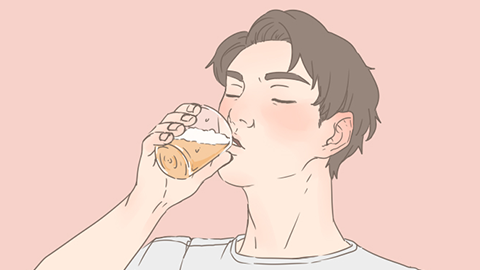
Individuals with hypotension should avoid consuming foods that lower blood pressure—such as celery, mung beans, hawthorn, and garlic—as these may further reduce blood pressure. They should also abstain from alcohol, as alcohol causes vasodilation and dehydration, thereby exacerbating hypotension. Additionally, individuals with hypotension should avoid spicy and irritating foods, and may moderately increase their intake of sodium-containing foods to help improve blood pressure.
In daily life, both hypertension and hypotension are common. Hypotension frequently occurs in elderly individuals and women. While hypertension has numerous potential causes and poses certain health risks, many people also wonder: What dietary recommendations apply to hypotension?
Dietary Guidance for Hypotension
Individuals with hypotension should avoid foods known to lower blood pressure—such as celery, mung beans, hawthorn, and garlic—as these may further reduce blood pressure. Alcohol consumption is also discouraged, since alcohol causes vasodilation and dehydration, thereby exacerbating hypotension. Spicy and highly stimulating foods should likewise be avoided. Instead, patients may moderately increase their intake of sodium-rich foods to help raise blood pressure. Drinking an appropriate amount of water can expand plasma volume, thus helping to maintain stable blood pressure. Additionally, ensuring adequate nutrition supports overall immunity and contributes to blood pressure regulation.
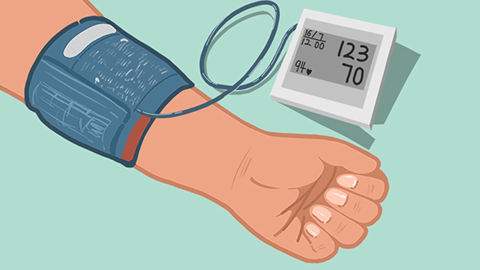
Clinically, hypotension is diagnosed when current blood pressure readings show a marked decline compared with previous baseline values. Symptoms such as dizziness, visual darkening (e.g., “blacking out”), syncope, fatigue, or generalized weakness may indicate hypotension. Importantly, hypotension is often secondary to underlying conditions—for example, acute blood loss leading to anemia, or postural changes (e.g., orthostatic hypotension). Therefore, if you notice persistently low blood pressure accompanied by clinical symptoms, prompt medical evaluation and diagnosis at a hospital are essential.
Patients are advised to maintain a light, balanced diet and seek timely medical care whenever physical discomfort arises. We hope this information proves helpful to you.


