


Can trichomoniasis cause keratitis?

Because the cornea is the outermost layer of the eye, it is relatively more susceptible to injury or bacterial infection. Infection following trauma is a common cause of keratitis, often resulting from various bacterial pathogens. Improper use of contact lenses or contaminated eye drops frequently serves as a direct cause of infectious keratitis. Can trichomoniasis cause keratitis?
Can trichomoniasis cause keratitis?
Trichomoniasis does not cause keratitis. Common symptoms of keratitis include photophobia, excessive tearing, ocular pain, and conjunctival edema. In the middle-to-late stages of the disease, corneal transparency decreases—appearing hazy or “ground-glass” in appearance—and may even progress to corneal ulceration. Bacterial keratitis typically presents with prominent ocular irritation; fungal keratitis, though less symptomatic initially, carries a higher risk of blindness due to prolonged inflammation. Viral keratitis tends to recur.
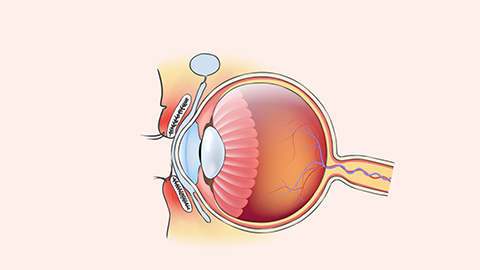
Patients often experience a foreign-body sensation, excessive tearing, photophobia, and severe, often sudden-onset, ocular pain. Conjunctival edema and peripheral corneal hyperemia are commonly observed. In more severe cases, inflammatory involvement of the pupil significantly impairs vision, leading to rapid visual deterioration; patients with advanced disease may become blind. Chronic keratitis may culminate in corneal ulceration, accompanied by localized discoloration of the cornea—appearing grayish-white.
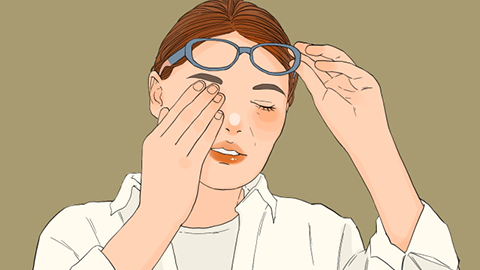
In daily life, patients should maintain a positive mindset, actively cooperate with their physicians’ treatment plans, take prescribed medications on time and in correct dosages, and pay close attention to routine eye care—thus facilitating prompt clinical improvement. We hope this information has been helpful to you.


