


Is ultrashort wave therapy effective for ankle synovitis?

The ankle is one of the most important joints in the human foot. Generally speaking, if a patient sustains an ankle sprain, normal walking and daily activities become significantly impaired. Therefore, prompt management of the injury is essential to minimize disruption to daily life. So, is ultrashort-wave therapy effective for ankle synovitis?
Is ultrashort-wave therapy effective for ankle synovitis?
Ultrashort-wave therapy is indeed effective for ankle synovitis. This condition is commonly caused by traumatic infection. In mild cases—characterized by minimal joint swelling, pain, and restricted mobility—anti-inflammatory and analgesic medications, along with blood-activating and stasis-resolving agents, may provide symptomatic relief. However, if symptoms are severe, patients should seek timely medical evaluation at a hospital; manual therapy may be required in certain cases. Conservative treatments—including microwave therapy, ultrashort-wave therapy, and infrared therapy—are often recommended for ankle synovitis. Patients should rest adequately, avoid weight-bearing on the affected limb, and immobilize the limb when necessary.
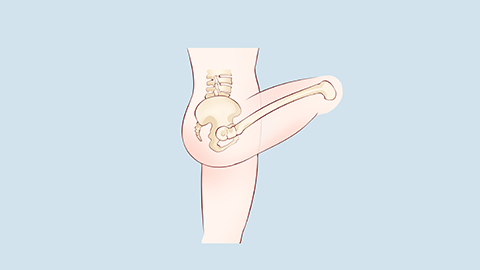
Ankle synovitis is primarily associated with overuse or cold exposure affecting the ankle joint. Adequate rest and moderation in physical activity are crucial. Particular caution is advised during activities involving excessive knee flexion—such as stair climbing or hiking—and local heat application, massage, and physical therapy can help improve circulation. For severe pain, nonsteroidal anti-inflammatory drugs (NSAIDs) may be taken orally. It is advisable to undergo MRI examination of the ankle joint at a hospital’s orthopedic or sports medicine department. Patients with ankle synovitis should first avoid catching a cold and minimize unnecessary movement of the affected ankle joint.
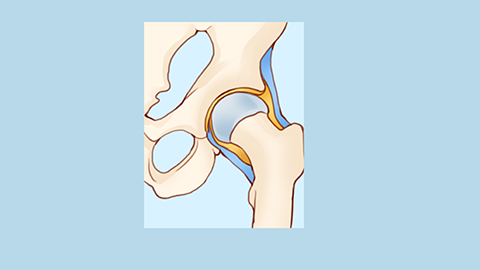
In daily life, patients should maintain a regular, balanced diet—avoiding spicy, irritating foods and refraining from overeating or staying up late. We hope this information proves helpful.


