


Is synovitis caused by excessively high protein levels?

When synovitis is mentioned, many people turn pale with apprehension—largely because this condition is notoriously difficult to treat and often requires a prolonged recovery period. Naturally, patients are deeply concerned about its underlying causes. So, is synovitis caused by elevated protein levels?
Is synovitis associated with elevated protein levels?
Synovitis may indeed be associated with elevated protein levels. Specifically, an increase in C-reactive protein (CRP) commonly occurs in acute inflammatory conditions, tissue necrosis, malignant tumors, and rheumatic diseases. In patients with osteoarthritis, joint pain is typically the predominant clinical manifestation; routine blood tests and immunological complement assays usually remain within normal limits. However, if inflammation affects the synovial tissue, high-sensitivity CRP (hs-CRP) levels may rise—though this elevation is generally mild and should be interpreted alongside erythrocyte sedimentation rate (ESR) changes. Because synovium-rich joints are prone to effusion, superficial joints may exhibit bony thickening and synovial swelling. Joint fluid analysis can provide a definitive diagnosis.
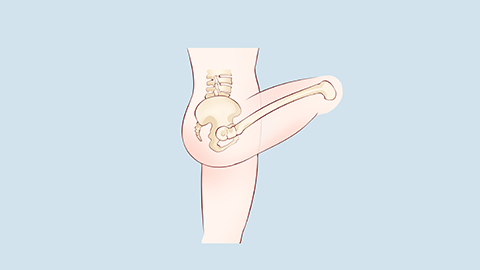
Symptoms of synovitis typically include joint swelling and restricted range of motion. During the acute phase, the affected joint may become red, painful, and feel warm or burning; pain is often severe and intensifies with movement—sometimes rendering the joint incapable of flexion or extension. In the chronic phase, joint pain tends to be milder or occurs only during activity; some patients may develop joint effusion.
In daily life, maintain a balanced and regulated diet: avoid spicy, irritating foods, overeating, and late-night activities. We hope this information proves helpful to you.


