


Treatment Methods for Thoracic Aortic Sclerosis

As people age, their risk of developing cardiovascular diseases increases. Many elderly individuals suffer from arteriosclerosis. Common causes of arteriosclerosis include hypertension, diabetes, and physical inactivity, which may lead to symptoms such as chest tightness and dizziness. So, what are the treatment options for thoracic aortic sclerosis?
Treatment Options for Thoracic Aortic Sclerosis
Treatment for thoracic aortic sclerosis primarily involves lifestyle modifications and pharmacotherapy. A healthy lifestyle is strongly recommended: adopt a low-salt, low-fat diet; avoid high-fat and greasy foods; consume ample fresh vegetables and fruits; and refrain from spicy or irritating foods. Maintain a regular daily routine with a consistent schedule—avoid staying up late, cultivate a positive mood, minimize psychological stress, quit smoking, and limit alcohol consumption. Strictly control modifiable risk factors and actively manage comorbidities such as hypertension, hyperlipidemia, and diabetes to slow the progression of atherosclerosis. Pharmacological therapy includes antiplatelet agents (e.g., aspirin), which inhibit platelet aggregation, reduce thrombus formation, and prevent ischemic events. Lipid-lowering medications (e.g., statins) help lower blood lipid levels, stabilize atherosclerotic plaques, and retard plaque progression.
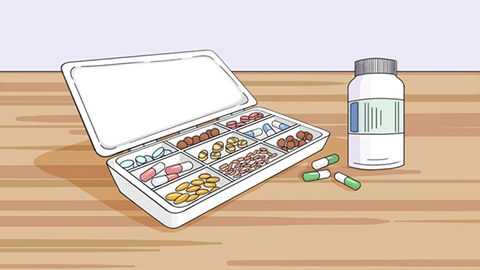
Treatment for thoracic aortic sclerosis encompasses both pharmacological and dietary interventions. Medications commonly used include statins and aspirin. Regular hospital visits for monitoring are essential to prevent elevations in blood pressure and serum lipid levels. Dietary recommendations include consuming soy products, lean poultry, vegetables, fruits, and high-fiber foods. Avoid smoking and alcohol consumption; enhance overall physical fitness through regular exercise; maintain a light, balanced diet; and foster a positive, proactive mindset.

Patients are advised to follow a light, balanced diet and seek prompt medical attention if any physical discomfort arises. We hope this information proves helpful.


