


Symptoms and Regulation of Lung-Spleen Qi Deficiency

Lung Qi Deficiency Syndrome itself manifests as mental fatigue or various symptoms such as weak coughing, all stemming from insufficient Lung Qi. When these symptoms appear, there are inevitably underlying causes. Understanding these causes enables you to adopt comprehensive preventive measures in daily life, thereby effectively reducing the incidence of disease. So, what are the symptoms of combined Lung-Spleen Qi Deficiency, and how should it be managed?
Symptoms and Management of Lung-Spleen Qi Deficiency
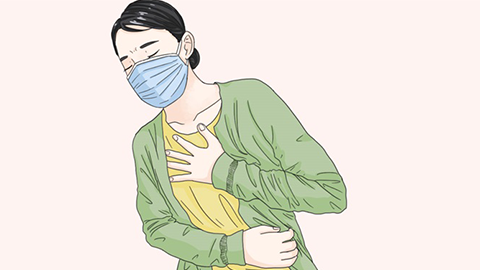
Lung-Spleen Qi Deficiency primarily arises from impaired Spleen function—specifically, diminished Spleen transportation and transformation—and compromised Lung function—particularly weakened Lung Qi’s ability to disperse and descend. In Lung Qi Deficiency, individuals are prone to recurrent colds, shortness of breath, wheezing, fatigue, chest tightness, and pallor; they may also experience prolonged coughing with copious, turbid phlegm. Spleen deficiency impairs digestion and absorption, leading to poor appetite, abdominal distension, indigestion, diarrhea, loose stools, and edema. This pattern commonly develops secondary to chronic respiratory diseases that impair Spleen function; conversely, pre-existing Spleen weakness can adversely affect the Lungs, resulting in Lung Qi Deficiency. Active treatment with herbs that tonify Qi, strengthen the Spleen, moisten the Lungs, and resolve phlegm is recommended.
Patients with Lung-Spleen Qi Deficiency are generally advised to consume red bean congee regularly, which supports overall health and represents a common method of nourishing the body. Red beans possess blood-nourishing and skin-benefiting properties, conferring multiple health benefits. For those exhibiting symptoms of Lung Qi Deficiency, incorporating red beans into the diet constitutes a reasonable dietary intervention. As widely recognized, red beans effectively nourish the blood and enhance complexion. Thus, preparing congee with red beans (and optionally adding bitter melon) serves as an effective self-care strategy. This approach is particularly beneficial for pallor and sallow, lusterless skin—effectively addressing Qi deficiency while simultaneously promoting beauty and skin health.

Patients should avoid excessive physical labor. Although individuals with Spleen and Lung Qi deficiency benefit from regular exercise, the duration and intensity must be carefully self-regulated. Additionally, consumption of cold or raw foods should be minimized. We hope this information proves helpful to you.


