


Is polyvinyl alcohol eye drops effective for keratitis?

Ocular diseases require prompt and active treatment—even surface eye conditions such as keratitis, a common disorder. Patients have multiple treatment options available, and their active cooperation is essential to help alleviate symptoms and improve outcomes. This is a concern shared by many. So, is polyvinyl alcohol (PVA) eye drops effective for keratitis?
Are Polyvinyl Alcohol Eye Drops Effective for Keratitis?
Polyvinyl alcohol (PVA) eye drops are not effective for treating keratitis. PVA eye drops function primarily as ocular lubricants, used to prevent or relieve eye irritation—such as dryness, foreign-body sensation, or eye fatigue—and to improve symptoms of dry eye. Polyvinyl alcohol is a high-molecular-weight polymer with hydrophilic properties and film-forming capability; at appropriate concentrations, it mimics the action of artificial tears. Adverse reactions to PVA eye drops are generally mild, though occasional ocular irritation or allergic reactions may occur.
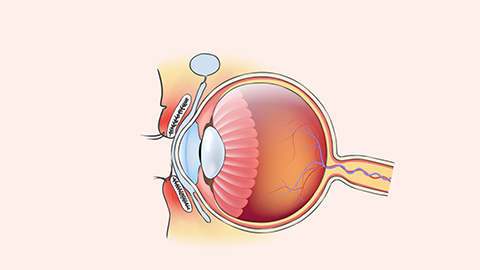
PVA eye drops are contraindicated in patients with known hypersensitivity to the product. When using PVA eye drops, avoid contact between the dropper tip and any surface—including the mouth—to prevent contamination. Discontinue use and consult a physician if, after instillation, you experience persistent eye pain, blurred vision, prolonged conjunctival hyperemia, worsening irritation, or disease progression lasting more than 72 hours. Do not reuse the solution if it becomes discolored or cloudy. Additionally, do not use PVA eye drops while wearing contact lenses.
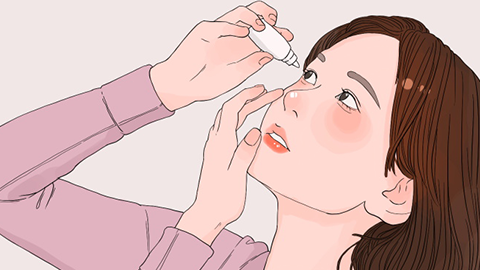
If symptoms suggestive of ocular disease appear, seek timely medical evaluation and actively cooperate with your healthcare provider’s treatment plan. We hope this information has been helpful to you.


