


Stroke Symptoms Associated with Alcohol Consumption

Everyone hopes to stay healthy, yet you may not realize that every part of the body is vital. Once a problem arises and is left untreated, it can even disrupt your daily life. For instance, stroke can cause significant inconvenience. So, what are the symptoms of stroke associated with alcohol consumption?
Symptoms of Stroke Related to Alcohol Consumption
Stroke following alcohol intake presents with numerous symptoms, including slurred speech, discomfort or weakness in the limbs, blurred vision, and dizziness. If any of these symptoms occur, prompt medical attention is essential. Early detection and treatment are critical for stroke recovery. After drinking, patients may suddenly experience difficulty speaking clearly or articulating words—particularly those with pre-existing hypertension, diabetes, or arteriosclerosis. Although they remain conscious, their speech becomes markedly impaired. Patients may also abruptly develop limb discomfort, paralysis on one side of the body, difficulty gripping objects or shaking hands, and involuntary leakage of fluids (e.g., water) while drinking.

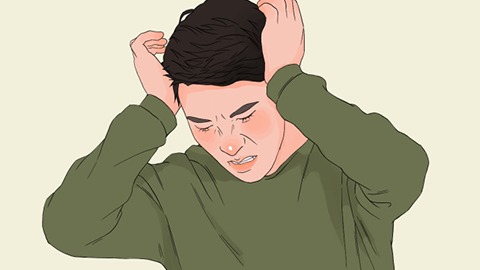
The symptoms of stroke linked to alcohol consumption are, in fact, manifestations of acute cerebrovascular disease. Patients may suddenly develop numbness and weakness on one side of the body, slurred speech—or even complete aphasia—and may also experience sudden dizziness, headache, nausea, and vomiting—typical signs of cerebrovascular disorders. In particularly severe cases, patients may rapidly lapse into unconsciousness or coma, accompanied by vomiting, respiratory distress, and excessive phlegm in the throat. These symptoms result from a sharp rise in blood pressure after alcohol consumption, leading to rupture of cerebral blood vessels and subsequent intracerebral hemorrhage—causing hemorrhagic stroke.
We recommend that patients maintain healthy lifestyle habits, and paying attention to a balanced, nutritious diet is especially important. Avoid spicy, irritating foods and greasy, hard-to-digest meals. We hope this information proves helpful to you.


