


Symptoms of Yin Deficiency with Dry Cough

Yin deficiency is a very common pathological condition and one that most people experience at some point. It may cause symptoms such as soreness and pain in the lower back and knees, thereby affecting daily life. However, many individuals are unaware of its underlying causes when encountering these symptoms; therefore, it is essential to understand what triggers yin deficiency—and specifically, what are the manifestations of yin-deficiency dry cough?
Symptoms of Yin-Deficiency Dry Cough
Yin-deficiency dry cough arises from insufficient lung yin or excessive heat lingering after fever. It manifests clinically as lung yin deficiency and internal heat due to yin deficiency. Typical symptoms include dry cough without phlegm, scanty and sticky sputum, blood-tinged sputum, dry mouth and tongue, dryness of the nose, throat, and pharynx, weight loss, five-center heat (i.e., heat sensation in the palms, soles, and chest), tidal fever, and night sweats. Treatment primarily focuses on nourishing yin and clearing heat. Under medical guidance, medications such as Baihe Gujin Wan (Lily Bulb and Rehmannia Pill) may be prescribed. Additionally, patients should ensure adequate rest, regulate emotions, engage in appropriate physical exercise, and avoid spicy or irritating foods.
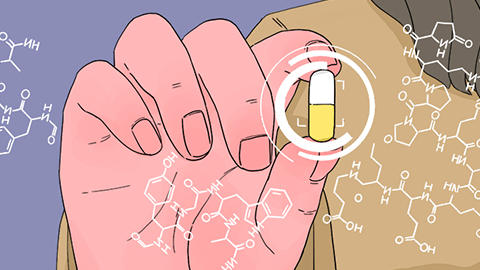
The primary symptoms of yin-deficiency dry cough include dry cough with little or no phlegm, blood-tinged sputum, dry mouth and tongue, five-center heat, night sweats, and tidal fever. This type of dry cough typically occurs during the convalescent stage of fever due to lung yin deficiency or excessive internal heat, presenting as lung yin deficiency and internal heat secondary to yin deficiency. Therapeutically, nourishing yin and clearing heat remain the principal approaches. Under professional medical supervision, formulas such as Baihe Gujing Wan (Lily Bulb and Rehmannia Pill) and Yangyin Qingfei Wan (Nourish-Yin and Clear-Lung Pill) may be employed. Patients should also prioritize sufficient rest, emotional regulation, and moderate exercise.
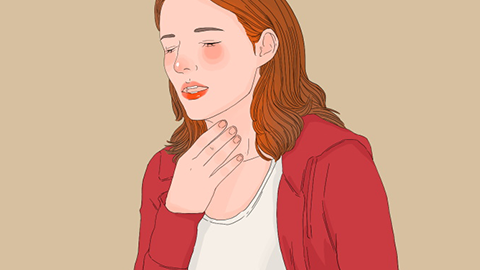
Patients are advised to maintain healthy lifestyle habits—such as abstaining from smoking and alcohol—and practice good personal hygiene. Regular physical activity, early bedtime, and rising early all contribute significantly to overall health. We hope this information proves helpful to you.


