


Causes of Yin Deficiency
Aug 24, 2022
Source: Cainiu Health

Dr. He Haochen
Introduction
Women with kidney yin deficiency may experience emotional instability, restlessness, insomnia, and vivid dreams. Theoretically, insufficient kidney yin leads to relative excess of fire (i.e., “deficient fire”) and internal agitation, resulting in irritability. As kidney yin fails to anchor the mind and contain yang during nighttime, insomnia and frequent dreaming occur. Furthermore, yin deficiency and essence depletion disrupt bone metabolism, commonly causing lower back and knee weakness as well as generalized limb fatigue in individuals with kidney yin deficiency.
In fact, most women experience nighttime sweating and sleep disturbances due to yin deficiency. At this time, dietary care becomes especially important. It is advisable to consume brown sugar water, red dates (jujubes), and longan regularly, and to eat more foods that nourish yin, replenish blood, and strengthen qi. Cold foods should be avoided; regular physical exercise is encouraged; and intake of salt and sugar should be moderated. But what causes yin deficiency?
Causes of Yin Deficiency
Women with kidney yin deficiency often exhibit symptoms such as emotional restlessness, agitation, insomnia, and vivid dreams. Theoretically, insufficient kidney yin leads to relative excess of fire (i.e., “deficient fire”) and internal heat, resulting in irritability. Due to the inability of deficient yin to anchor yang at night, insomnia and frequent dreaming occur. Furthermore, yin and essence deficiency may impair bone and marrow function, causing individuals with kidney yin deficiency to frequently experience weakness and soreness in the lower back and knees, as well as generalized fatigue and limb weakness. Primary contributing factors include emotional stress, excessive consumption of dry, heating foods, and chronic mental strain. Therefore, timely lifestyle regulation and recuperation are essential. Incorporating naturally sweet, mild-warm foods—such as lotus seeds and lily bulbs—into the diet is recommended, while dry, heating, or excessively yang-stimulating foods should be avoided.
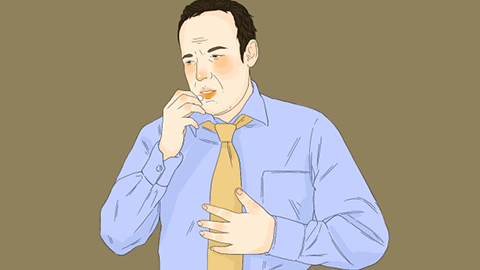
Treating yin-deficient constitution is a long-term process requiring comprehensive adjustment from multiple angles. The core therapeutic principle is nourishing yin and moistening dryness. Dietary therapy plays a key role in daily management. For example, one may regularly consume yin-nourishing soups such as Chinese yam and lily bulb congee, or tremella and pear soup. Herbal teas made with Ophiopogon (mai dong) and goji berries (Lycium barbarum) are also beneficial for moistening dryness. In daily life, moderate physical activity is encouraged. Traditional Chinese medicine–based exercises—including Baduanjin (Eight Brocades) and Tai Chi—are highly recommended; brisk walking and leisurely strolling are also effective for regulating bodily functions. In severe cases, medicinal formulas such as Zhizhi Dihuang Wan (Anemarrhena-Phellodendron Rehmannia Pill) or Liuwei Dihuang Wan (Six-Ingredient Rehmannia Pill) may be prescribed, but only under the guidance of a qualified TCM practitioner.
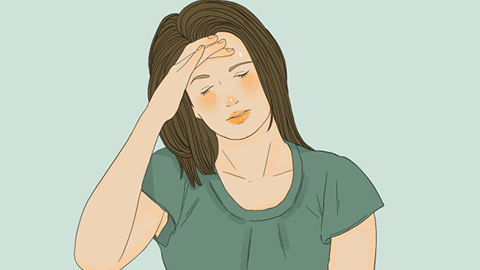
Individuals with yin-deficient constitution may appropriately increase their intake of yin-nourishing and moistening foods in daily life, while avoiding spicy and pungent foods. We hope this response proves helpful to you.


