


Is weak urination a sign of kidney yin deficiency?

Urination is something we do every day. Normal urinary frequency is 4–5 times during the day and once at night. Abnormally low or high urinary frequency may indicate underlying health issues. In particular, if you experience weak urine flow, do not ignore it. Many people today associate weak urination with kidney deficiency. But is weak urination specifically due to kidney yin deficiency?
Is weak urination caused by kidney yin deficiency?
Weak urination may indeed result from kidney yin deficiency. In addition to diminished urinary force, individuals with kidney yin deficiency often present with insomnia, vivid dreams, heat sensations in the palms, soles, and chest (“five-center heat”), dizziness, tinnitus, night sweats, and nocturnal emissions. However, prostatitis or benign prostatic hyperplasia (BPH) must also be considered as potential causes. Since the exact etiology cannot be reliably determined without professional evaluation, it is advisable to visit a reputable local hospital’s nephrology department for thorough assessment. If kidney yin deficiency is confirmed, treatment with Liu Wei Di Huang Wan (Rehmannia Six Formula), as prescribed by a physician, may be recommended.
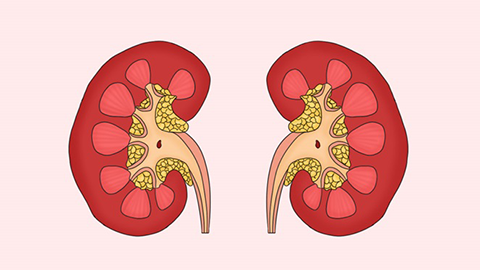
If you have recently—or over an extended period—experienced weak urinary flow, prostatitis is a likely cause. When inflammation occurs in the prostate gland, it can compress surrounding structures and cause slow leakage of prostatic fluid. As this fluid passes through the urethra, it triggers the sensation of needing to urinate—even though the bladder contains little or no urine. Only a small amount of fluid may obstruct or occupy the urethral lumen, resulting in symptoms such as weak stream and incomplete bladder emptying.

If you notice any disease-related symptoms in daily life, seek timely medical evaluation and actively cooperate with your healthcare provider’s treatment plan. We hope this information has been helpful to you.


