


Is night sweats during sleep due to yin deficiency or yang deficiency?

Yin deficiency and yang deficiency are common syndromes in Traditional Chinese Medicine (TCM), yet most people lack a clear understanding of them—and particularly of the differences between the two. Although yin and yang deficiencies often do not cause overt or pronounced discomfort, they can severely impair physical health and progressively weaken one’s constitution. So, is night sweats during sleep indicative of yin deficiency or yang deficiency?
Are night sweats during sleep caused by yin deficiency or yang deficiency?
Night sweats during sleep are predominantly attributable to kidney yin deficiency. Clinically, night sweats can be categorized into three degrees of severity:
- Mild night sweats: Most patients with mild night sweats begin sweating either 1–2 hours before falling asleep, during deep sleep, or around 5 a.m.; the amount of sweat is minimal.
- Moderate night sweats: Patients with moderate night sweats typically begin sweating shortly after falling asleep—often enough to dampen their nightclothes—and sweating ceases upon waking.
- Severe night sweats: Patients with severe night sweats start sweating almost immediately upon falling asleep—or even just as they close their eyes and drift off. Sweating may awaken them; sweat then pools on the skin. If they fall back asleep, sweating recurs. The volume of sweat is substantial, often tasting notably salty, and frequently mixes with body odor.
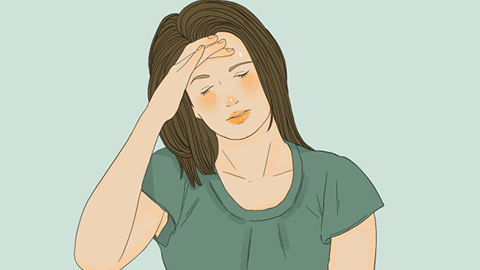
Individuals with kidney yin deficiency commonly present with flushed complexion, night sweats, dry mouth, tinnitus, weight loss, and heat intolerance. Kidney yin deficiency indicates an insufficiency of kidney yin. To address this, patients should maintain regular physical activity, drink ample water, urinate frequently, and thereby support healthy metabolic function. They must avoid staying up late and ensure at least eight hours of sleep nightly. Smoking and alcohol consumption should be avoided entirely, and the diet should remain light and balanced—emphasizing vegetables and fruits.

We recommend that patients adopt a light, nutritious diet and engage in appropriate physical activity to enhance immune function. We hope this information proves helpful to you.


