


Is night sweating due to kidney yin deficiency or kidney yang deficiency?

The kidneys play a vital role in an individual’s health. In Traditional Chinese Medicine (TCM), kidney function is categorized into “kidney yin” and “kidney yang.” Generally, kidney deficiency syndromes are classified as either kidney yin deficiency or kidney yang deficiency. For individuals seeking kidney tonification, it is essential first to determine whether the deficiency involves yin or yang—otherwise, inappropriate treatment may exacerbate the condition. So, does spontaneous sweating indicate kidney yin deficiency or kidney yang deficiency?
Is spontaneous sweating due to kidney yin deficiency or kidney yang deficiency?
Spontaneous sweating may occur in kidney yang deficiency, though kidney yin deficiency cannot be ruled out. Kidney yin deficiency commonly manifests as night sweats, insomnia, and weakness or soreness in the lower back and knees. In contrast, kidney yang deficiency typically presents with cold limbs, frequent urination, and loose stools. Such differentiation should be performed by qualified TCM practitioners at reputable medical institutions to ensure accurate diagnosis and targeted treatment. In daily life, consume nutrient-rich foods and supplement with items that support emotional well-being and immune function.
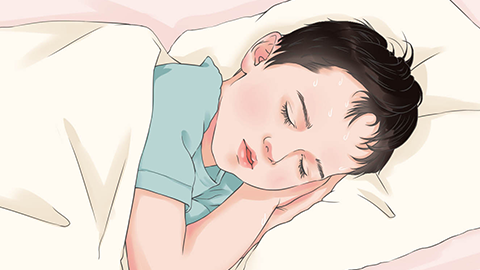
Spontaneous sweating requires pattern differentiation—specifically, determining whether it stems from qi deficiency or from yin deficiency with internal heat. Qi-deficiency sweating is often accompanied by fatigue, lethargy, mental fogginess, and even diarrhea. A nourishing soup made with Chinese yam (Huai Shan), astragalus (Huang Qi), and codonopsis (Dang Shen) is highly effective; alternatively, drinking floating wheat tea or barley tea may also help. If sweating occurs primarily on the palms, accompanied by irritability and bitter taste in the mouth, yin deficiency is more likely. In such cases, a decoction or tea prepared with ginseng, Solomon’s seal (Yu Zhu), and Ophiopogon (Mc Dong) can effectively alleviate yin deficiency symptoms.
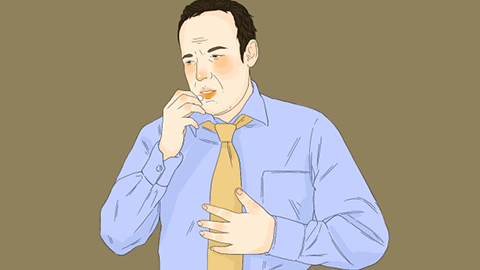
In daily life, maintain regular, balanced meals; avoid spicy, stimulating, or excessively rich foods; refrain from overeating; and ensure adequate sleep—avoid staying up late. We hope this information proves helpful.


