


Symptoms of Lung Qi Deficiency

When patients present with Lung Qi Deficiency syndrome, they may experience numerous symptoms; however, many are unaware of the underlying pattern and mistakenly assume they simply have a common illness. As a result, they delay seeking proper treatment, allowing the condition to progress to a more severe stage. So, what are the symptoms of Lung Qi Deficiency?
Symptoms of Lung Qi Deficiency
Lung Qi Deficiency syndrome typically arises from chronic fatigue, prolonged coughing, exposure to summer-heat pathogens, serious illness, or Spleen Qi deficiency impairing the upward movement of clear Qi—leading to insufficient Lung Qi and progressively weakened lung function. Although both Lung Qi Deficiency and Spleen Qi Deficiency syndromes involve general Qi deficiency, Lung Qi Deficiency specifically manifests with respiratory symptoms such as cough, wheezing, and thin, watery phlegm. Patients not only experience shortness of breath but may also exhibit associated symptoms reflecting Spleen involvement—such as poor appetite, abdominal distension (especially after meals), loose stools, and edema—due to the close functional relationship between the Lung and Spleen.
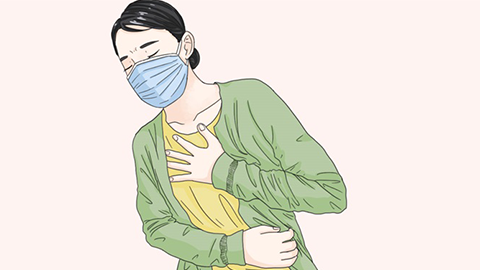
Lung Qi Deficiency is itself a distinct pattern of Qi deficiency localized in the Lung. It commonly occurs in conjunction with Spleen Qi deficiency and impaired transportation and transformation functions—representing a combined pathological pattern. Clinically, Lung Qi Deficiency may coexist with Heart Qi Deficiency. Typical manifestations include persistent cough, wheezing, shortness of breath, and increased susceptibility to colds and respiratory infections.

When Lung Qi is deficient, patients should increase their fluid intake to support detoxification. Additionally, consuming moderate amounts of nourishing foods such as Chinese yam (Shan Yao) and chestnuts may aid recovery. We hope this information is helpful to you.


