


Symptoms of Lung Yin Deficiency

Lung deficiency syndrome is generally categorized into two types: Lung Yin Deficiency and Lung Qi Deficiency. Their symptoms differ slightly. In the more common Lung Qi Deficiency, patients experience shortness of breath, fatigue, general lassitude, and labored breathing upon minimal exertion. Additional manifestations include dyspnea, shortness of breath, diminished immune function (leading to frequent colds), aversion to cold, dry skin, and pruritus. What, then, are the symptoms of Lung Yin Deficiency?
Symptoms of Lung Yin Deficiency
The primary symptoms of Lung Yin Deficiency include dry cough with little or no phlegm—often thick and sticky—or blood-tinged sputum, accompanied by tidal fever, heat sensations in the palms, soles, and chest (“five-center heat”), and flushed cheeks. Other signs include night sweats, dry throat, weight loss or shortness of breath, hoarseness, a red tongue with scanty coating, and a rapid pulse—these constitute the classic presentation of Lung Yin Deficiency. Lung Yin Deficiency refers to a constellation of clinical manifestations resulting from insufficiency of Lung Yin and consequent internal deficiency heat. Common etiologies may include constitutional weakness (e.g., congenital insufficiency), improper diet, overwork, emotional strain, or external pathogenic factors causing Lung heat, heat stagnation, and subsequent Yin injury.
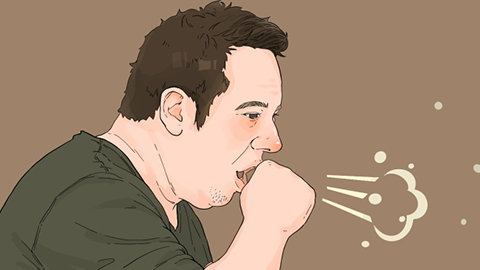
Symptoms of Lung Yin Deficiency include dry cough without phlegm or with scant, viscous sputum; hemoptysis; dry mouth and throat; and a rapid pulse. Lung Yin Deficiency commonly leads to coughing, scanty phlegm, and hoarseness; severe cases may progress to hemoptysis—often attributable to long-term smoking and alcohol consumption or excessive intake of spicy foods. Prolonged untreated Lung Yin Deficiency may result in unintended weight loss, warranting prompt clinical attention.
Patients are advised to maintain healthy lifestyle habits—specifically, quitting smoking and abstaining from alcohol. Practicing good personal hygiene, engaging in regular physical activity, and adhering to a consistent sleep schedule (going to bed early and rising early) all contribute significantly to overall health. We hope this information proves helpful.


