


How to Regulate Yin Deficiency with Excess Fire

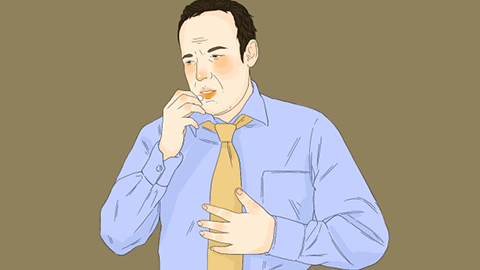
Yin deficiency with hyperactive fire—also termed “yin fire”—arises from insufficient yin fluids, leading to internal heat that transforms into deficient fire. Common manifestations include irritability, anxiety, insomnia, dry mouth, and sore throat. These symptoms are often triggered by irregular work-rest schedules, prolonged smoking or alcohol consumption, and chronic sleep deprivation. So, how should one regulate yin deficiency with hyperactive fire?
How to Regulate Yin Deficiency with Hyperactive Fire
Regulation of yin deficiency with hyperactive fire can be achieved through herbal medicine, dietary adjustments, and lifestyle modifications. First, individuals with this pattern should maintain a light, bland diet—avoiding spicy, stimulating foods and overeating. Beneficial yin-nourishing foods include tremella fungus (silver ear), lily bulbs, bird’s nest, duck meat, spinach, and soft-shell turtle meat. Herbal formulas containing ingredients such as Ophiopogon (McDoor), Codonopsis, Dendrobium, Polygonatum (Solomon’s seal), tremella fungus, or lotus seeds may also help alleviate symptoms. Second, moderate physical exercise is recommended, along with consistent early-to-bed, early-to-rise habits; staying up late should be avoided, as should working in excessively hot environments.
Emotional well-being requires attention—avoid excessive sexual activity, refrain from drinking tea before bedtime, and avoid vigorous exercise close to sleep time. The traditional Chinese medicine (TCM) formula Zhī Bǎi Dì Huáng Wán (Anemarrhena–Phellodendron Rehmannia Pill) may be used to nourish yin and clear deficient fire. TCM practitioners may also assess tongue coating and apply syndrome differentiation for personalized treatment. Dietary therapies such as White Crane Tremella Soup or Chinese Yam–Lycium Porridge are also beneficial. Under professional medical guidance, targeted treatment based on individual condition is advised, along with regular follow-up examinations.

In daily life, patients should maintain an optimistic mindset, actively cooperate with their physicians, take prescribed medications consistently and as directed, and pay attention to routine self-care—thus facilitating prompt improvement of the condition. We hope this response proves helpful to you.


