


What are the symptoms of lung yang deficiency?

In fact, many people greatly enjoy consuming cold beverages—especially during hot summer months—and are reluctant to give them up. Once these cold foods enter the stomach, they indeed lower gastric temperature, providing a temporary sense of comfort; however, excessive intake may impair Yang Qi. So, what are the symptoms of Lung Yang Deficiency?
What Are the Symptoms of Lung Yang Deficiency?
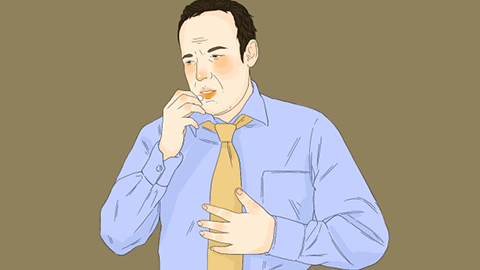
Symptoms of Lung Yang Deficiency include shortness of breath, fatigue, and spontaneous sweating. Yang deficiency develops upon a foundation of Qi and Blood deficiency and tends to exacerbate aversion to cold. Individuals with Lung Yang Deficiency often present with coughing, thin white phlegm, edema in the lower limbs, a pale and swollen tongue, and a thin or slippery tongue coating—all indicative of Yang deficiency. When Lung Yang Deficiency occurs, Kidney Yang Deficiency is frequently involved as well, since the Kidneys represent the congenital source and Kidney Yang serves as the root of Yuan (Original) Yang. Consequently, symptoms of Kidney Yang Deficiency—such as soreness and weakness in the lower back and knees, impotence, and menstrual irregularities—may also appear.

Treatment for Lung Yang Deficiency typically employs the method of tonifying Qi and warming Yang. Commonly used herbs include Dried Ginger (Gan Jiang) and Asarum (Xi Xin). These may be combined with Qi-tonifying herbs such as Ginseng (Ren Shen), Notoginseng (San Qi), American Ginseng (Xi Yang Shen), Astragalus (Huang Qi), and Cordyceps (Dong Chong Xia Cao), all of which help strengthen Lung Qi. Additionally, externally applied or internally administered herbs that warm Lung Yang—such as Aconite Root (Fu Zi), Cinnamon Twig (Gui Zhi), and Cinnamon Bark (Rou Gui)—may be used for their Lung-Yang-warming effects.
In daily life, maintain regular dietary habits: avoid spicy and stimulating foods, refrain from overeating or binge eating, and avoid staying up late. We hope this information proves helpful to you.


