


Which gynecological disorders can be caused by Spleen deficiency?

If the tongue coating is notably thick and the edges of the tongue display tooth marks, these are signs of Spleen Qi deficiency. Many individuals experience Spleen Qi deficiency in daily life, yet remain unaware of this condition. Furthermore, their understanding of how to regulate or address Spleen Qi deficiency tends to be vague. So, which gynecological disorders can result from Spleen Qi deficiency?
Which Gynecological Disorders Can Result from Spleen Qi Deficiency?
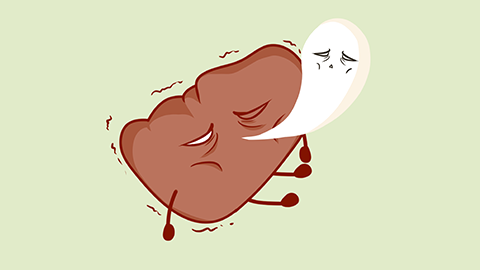
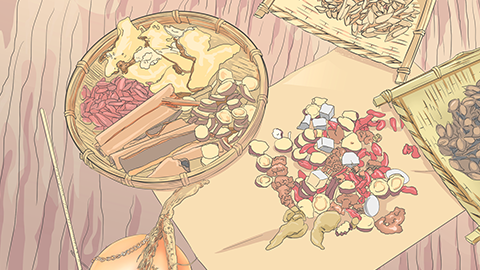
The Spleen governs transformation and transportation. When Spleen Qi is deficient, its transformative and transporting functions become impaired, potentially leading to gynecological conditions such as excessive vaginal discharge (leukorrhea), internal accumulation of dampness, and pruritus vulvae. Additionally, weakened ascending and descending functions due to Spleen Qi deficiency may cause visceral prolapse—for example, uterine prolapse. Moreover, the Spleen governs blood; when Spleen Qi is deficient and fails to secure the blood, it may result in menorrhagia or abnormal uterine bleeding. Therefore, individuals with Spleen Qi deficiency should consider taking herbal remedies that strengthen the Spleen, such as Codonopsis root (Dang Shen), Astragalus root (Huang Qi), Poria (Fu Ling), Atractylodes rhizome (Bai Zhu), Chinese yam (Shan Yao), Coix seed (Yi Yi Ren), red beans, hyacinth bean (Bai Bian Dou), nutmeg (Rou Dou Kou), and Amomum fruit (Sha Ren).
Patients should follow a light, balanced diet—avoiding cold foods, spicy or irritating foods, high-fat items, sweets, and greasy foods—and cultivate healthy lifestyle habits, including appropriate physical exercise to enhance overall constitution. For gynecological disorders, timely medical evaluation is strongly recommended to identify the underlying cause, followed by targeted clinical treatment to achieve full recovery.
If symptoms of disease appear in daily life, prompt diagnosis and treatment are essential, along with active cooperation with healthcare providers. We hope this information proves helpful to you.


