


Symptoms of Heart Yin Deficiency

Heart yin deficiency is a very common condition that, if severe, can lead to various diseases. Common symptoms in patients with heart yin deficiency syndrome include palpitations, dizziness, and a sensation of dry heat. If these symptoms appear, it is essential to pay close attention and make timely adjustments to safeguard one’s health. Therefore, we should carefully observe the full spectrum of associated symptoms and pursue appropriate treatment. So, what are the symptoms of heart yin deficiency?
Symptoms of Heart Yin Deficiency
Heart yin deficiency manifests with numerous symptoms, primarily including irritability, palpitations, insomnia, and fatigue. Additionally, it may contribute to arrhythmias, neurosis, anemia, hyperthyroidism, and tuberculosis. Timely treatment and proper care are critically important. Therapeutic principles focus on nourishing yin and tonifying the heart, as well as clearing heat from the heart and calming the spirit. Under professional medical guidance, pharmacological treatment—such as Anshen Buxin Wan (Calming the Spirit and Tonifying the Heart Pills) or customized herbal formulas—can be employed; these approaches generally carry minimal side effects. Heart yin deficiency is indeed a highly prevalent condition, and if left unmanaged, it may precipitate multiple comorbidities.
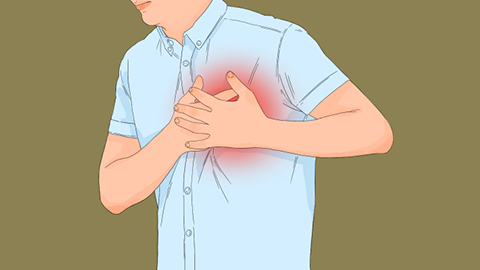
Heart yin deficiency refers to insufficient heart yin, resulting in impaired nourishment of the spirit and the generation of internal deficient heat. Clinical manifestations include irritability, palpitations, insomnia, weight loss, dry mouth and throat, flushed complexion, night sweats with heat sensations, a feeling of heat in the palms, soles, and chest (“five-center heat”), scanty dark urine, constipation, a red tongue with scanty coating or dryness, and a rapid pulse. This pattern commonly arises from prolonged febrile illnesses or chronic disorders depleting yin fluids; emotional disturbances generating internal heat; or long-term yin depletion due to excessive stress or overwork. When yin fluids become deficient, the body loses its moistening and cooling capacity, and yin fails to anchor yang—leading to symptoms such as deficient heat, dryness, and internal agitation of deficient fire.
Patients are advised to maintain healthy lifestyle habits, including abstaining from smoking and alcohol. Ensuring good personal hygiene also supports overall health. We hope this information proves helpful to you.


