


Can stroke in the elderly be cured?

Stroke is an acute cerebrovascular disease. When it occurs, patients may suddenly lose consciousness, experience slurred speech, sudden paralysis or inability to move, and facial drooping (e.g., asymmetrical mouth and eyes). Stroke carries high rates of incidence, mortality, and recurrence. Consequently, many patients worry whether stroke can be cured. So, can stroke in elderly patients be cured?
Can stroke in the elderly be cured?
Stroke in elderly patients can be treated successfully, though recovery tends to be relatively slow. Currently, complete functional recovery is rare among stroke patients in clinical practice; however, this does not mean stroke is incurable. Many patients, once their condition stabilizes, are able to resume normal daily life. Therefore, stroke patients should not lose confidence in treatment nor regard stroke as an untreatable condition. Stroke management is significantly influenced by multiple factors. In addition to maintaining a positive attitude and receiving appropriate medical treatment, patients should also engage in regular physical exercise to strengthen their overall health—thereby enhancing prospects for recovery, which is especially beneficial for stroke survivors.
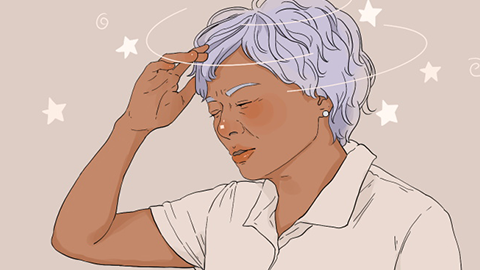
In clinical terms, “stroke” refers to cerebrovascular disease. It commonly includes cerebral thrombosis (i.e., ischemic stroke), intracerebral hemorrhage, subarachnoid hemorrhage, and other conditions resulting from either arterial occlusion by thrombus or vessel rupture with subsequent bleeding. Clinically, a frequent underlying cause is cerebral arteriosclerosis, often triggered or exacerbated by risk factors promoting arteriosclerotic changes.
In daily life, patients should maintain an optimistic mindset, actively cooperate with physicians during treatment, take prescribed medications regularly and in correct dosages, and pay close attention to routine care—thus facilitating prompt clinical improvement. We hope this response has been helpful to you.


