


What are the symptoms of liver and kidney yin deficiency?

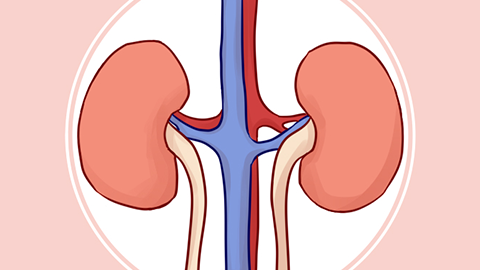
Liver-kidney yin deficiency is a syndrome characterized by simultaneous deficiency of both the liver and kidney. Its primary causes include prolonged imbalance, sexual dysfunction, and emotional injury. According to Traditional Chinese Medicine (TCM), the liver and kidney share a common origin, and their yin fluids mutually nourish one another: abundant liver yin can be stored within the kidney, while robust kidney yin can nourish and moisten the liver. So, what are the symptoms of liver-kidney yin deficiency?
Symptoms of Liver-Kidney Yin Deficiency
Symptoms of liver-kidney yin deficiency include lower back pain, dizziness with nausea or vomiting, cold limbs, tinnitus, insomnia with vivid dreams, nocturnal emissions, and fatigue. Women may also experience menstrual irregularities and reduced menstrual flow; with prolonged illness, patients may suffer weight loss and diminished physical stamina. Treatment options include Liu Wei Di Huang Wan (Rehmannia Six Formula) as well as dietary supplementation with goji berries, Cistanche (Rou Cong Rong), and longan fruit. Regular physical exercise and adequate rest are also recommended. Liver-kidney yin deficiency is a TCM pattern resulting from chronic disease, excessive depletion of yin, overexertion of the heart-mind, constitutional insufficiency from birth, and internal disturbance of deficient fire—leading to progressive loss of nourishment.
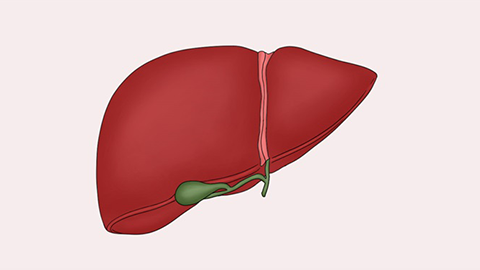
Clinically, its manifestations fall into two main categories: yin deficiency with yang hyperactivity, and yin deficiency with fire hyperactivity. Typical symptoms include soreness and weakness in the lower back and knees, “five-center heat” (i.e., sensations of heat in the palms, soles, and chest), tidal fever, irritability, and insomnia. In men, erectile dysfunction and nocturnal emissions may occur; in women, scanty menstruation or amenorrhea, dark-yellow or reddish urine, constipation, and a rapid pulse may be observed.
In daily life, patients should maintain an optimistic mindset, actively cooperate with physicians during treatment, take prescribed medications regularly and in correct dosages, and pay close attention to routine self-care—thus facilitating timely improvement of their condition. We hope this response has been helpful to you.


