


What is the best herb or ingredient to steep in hot water for spleen deficiency?

The primary causes of Spleen Qi deficiency include irregular eating habits—particularly frequent consumption of cold foods or beverages—combined with an erratic lifestyle and chronic mental stress. While drinking ample warm water is beneficial, proper regulation and nourishment are also essential. Foods such as ginger tea and chili peppers are especially helpful for strengthening the Spleen. So, what herbs or ingredients are best for brewing into a therapeutic tea for Spleen Qi deficiency?
What Herbs Are Best for Brewing Tea to Address Spleen Qi Deficiency?
For Spleen Qi deficiency, a recommended herbal infusion includes Codonopsis root (Dang Shen), Atractylodes rhizome (Bai Zhu), Poria (Fu Ling), and roasted Licorice root (Zhi Gan Cao). According to Traditional Chinese Medicine (TCM), the Spleen governs water metabolism; thus, Spleen Qi deficiency often leads to dampness accumulation—a condition termed “Spleen deficiency with dampness.” If excessive dampness is present, diuretic herbs such as Poria (Fu Ling), Alisma (Ze Xie), and Polyporus (Zhu Ling) may be added. Moreover, prolonged Spleen Qi deficiency may progress to Qi deficiency and Yang deficiency, resulting in Spleen Yang deficiency—manifesting clinically as dull epigastric pain, aversion to cold in the stomach region, vomiting of clear fluid, and loose stools.
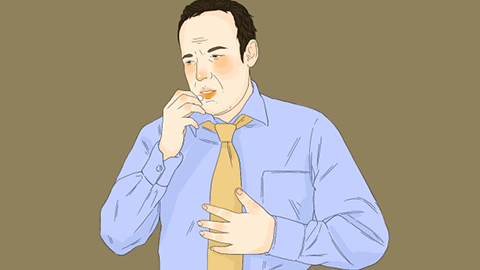
In TCM theory, the Spleen governs digestion, which encompasses two key metabolic functions: water metabolism and nutrient assimilation from food and drink. When Spleen Qi is deficient, both processes become impaired. One common manifestation is disordered water metabolism, leading to edema and phlegm retention. Among phlegm-related patterns secondary to Spleen deficiency, the most characteristic sign is localized cold sensation over the back—often described as “a palm-sized area of coldness on the back.”
In daily life, patients should maintain a positive mindset, actively cooperate with their healthcare providers during treatment, take prescribed medications consistently and as directed, and pay close attention to routine self-care—thereby facilitating prompt improvement of symptoms. We hope this information proves helpful.


