


How to Regulate Internal Heat Due to Yin Deficiency in Infants

Parents consistently place great importance on their children’s health; whenever a child falls ill, the entire family becomes so anxious that they cannot sleep. Frequent illnesses in many children are closely linked to yin deficiency and internal heat constitution. To enhance disease resistance, it is essential first to identify effective methods for improvement. So, how should one manage yin deficiency with internal heat in infants?
How to Manage Yin Deficiency with Internal Heat in Infants
Yin deficiency accompanied by internal heat in infants can be effectively managed through increased water intake, balanced nutrition, and appropriate physical activity. If an infant exhibits signs of yin deficiency and internal heat, parents should encourage regular consumption of warm water. In many cases, yin deficiency with internal heat stems from bodily dehydration; therefore, increasing fluid intake to replenish hydration is crucial for alleviating symptoms. Dietary adjustments are equally important: infants should consume foods known for nourishing yin and clearing internal heat—such as eggs and milk—as well as fruits like pears and mulberries.
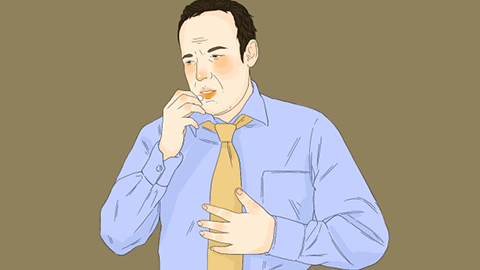
For infants with yin deficiency and internal heat, appropriate physical activity also contributes significantly to symptom improvement. Regular, moderate daily exercise not only boosts overall immunity but also strengthens liver function and enhances the body’s natural detoxification capacity—helping eliminate excess toxins. However, parents should select suitable activities based on the infant’s age and individual physical condition.
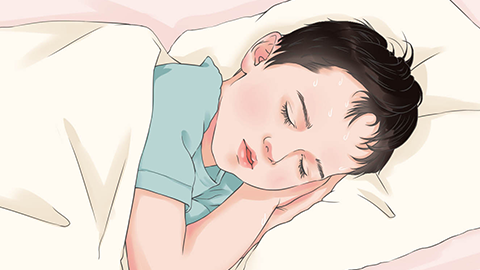
In daily life, affected infants should maintain a positive mental state, actively cooperate with medical treatment, take prescribed medications on time and in correct dosages, and pay close attention to routine care—thereby facilitating prompt symptom improvement. We hope this information proves helpful to you.


