


What is Yin deficiency?

Generally speaking, yin deficiency is primarily caused by insufficient body fluids. Here, “insufficient fluids” refers not only to the drinking water we commonly refer to, but rather encompasses all bodily fluids in Traditional Chinese Medicine (TCM)—including blood, semen, tears, and endocrine secretions. These are collectively termed “yin fluids.” Yin deficiency occurs when yin fluids are depleted, leading to a relative excess of yang heat and resulting in internal heat. So, what exactly is yin deficiency?
What Is Yin Deficiency?
Yin deficiency is a syndrome characterized by inadequate yin fluids, giving rise to a constellation of symptoms. Key manifestations include night sweats, dizziness, mental fatigue, generalized weakness, low-grade fever, flushed face and reddened ears, soreness and weakness in the lower back and knees, and a sensation of heat in the palms, soles, and chest (“five-center heat”). Individuals with yin deficiency should consume foods that clear internal heat—such as fresh leafy green vegetables—to replenish vitamins and prevent dry, chapped lips. Treatment may involve herbal formulas like Liu Wei Di Huang Wan (Rehmannia Six Formula) or Zhi Bai Di Huang Wan (Anemarrhena and Phellodendron Rehmannia Formula). Additionally, regular moderate exercise is recommended to strengthen overall constitution.
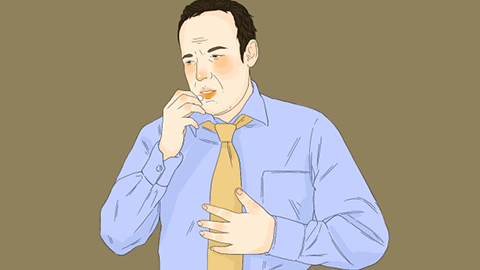
Yin deficiency is most commonly associated with kidney yin deficiency—a condition typically arising from depletion of yin fluids, prolonged illness causing kidney damage, or constitutional (congenital) kidney deficiency. Typical symptoms of kidney yin deficiency include soreness and weakness in the lower back and knees, dizziness, insomnia, tidal fever, and night sweats. Under professional medical guidance, Liu Wei Di Huang Wan may be used for regulation; alternatively, Zuo Gui Wan (Left-Returning Pill) may also be prescribed.

Patients are advised to avoid excessive sexual activity and to incorporate kidney-nourishing foods into their daily diet. We hope this information proves helpful to you.


