


What is Yin deficiency, and what is Yang deficiency?
Aug 24, 2022
Source: Cainiu Health

Dr. He Haochen
Introduction
Yin deficiency refers to a pathological condition caused by insufficient yin fluids, often accompanied by relative excess of yang. Yang deficiency, in contrast, denotes a state of insufficiency and weakness of yang qi. Common symptoms in patients with yin deficiency include low-grade fever, night sweats, restlessness, insomnia, dizziness, and tinnitus. Yin deficiency is further classified into subtypes such as yin deficiency with internal heat, heart yin deficiency, kidney yin deficiency, and liver yin deficiency; however, the overarching characteristic symptom is profuse sweating that feels hot and sticky.
Yin deficiency and yang deficiency are common conditions in Traditional Chinese Medicine (TCM), yet most people have only a vague understanding of them—and often fail to distinguish between the two. Although yin and yang deficiencies typically do not cause pronounced discomfort, they can severely compromise physical health, progressively weakening one’s constitution. So, what exactly are yin deficiency and yang deficiency?
What Are Yin Deficiency and Yang Deficiency?
Yin deficiency refers to a pathological state resulting from insufficient yin fluids, leading to relative excess of yang; yang deficiency denotes a decline in yang qi—vital functional energy—causing diminished physiological activity. Common symptoms of yin deficiency include low-grade fever, night sweats, restlessness, insomnia, dizziness, and tinnitus. Yin deficiency is further categorized into subtypes such as “yin deficiency with internal heat,” heart yin deficiency, kidney yin deficiency, and liver yin deficiency; however, the overarching clinical presentation typically involves warm, sticky perspiration. In contrast, patients with yang deficiency experience reduced bodily functions—including slowed metabolism—and commonly exhibit pallor and a weak, thready pulse.
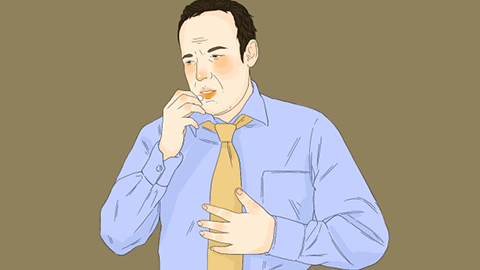
To prevent yin or yang deficiency, individuals should engage in regular, moderate physical exercise. Consistent exercise promotes systemic blood circulation, facilitating the delivery of nutrients carried in the blood to all tissues and organs—thus helping to maintain balanced yin and yang and reducing the likelihood of deficiency syndromes. However, exercise must be performed in moderation; excessive physical exertion may exacerbate constitutional weakness.
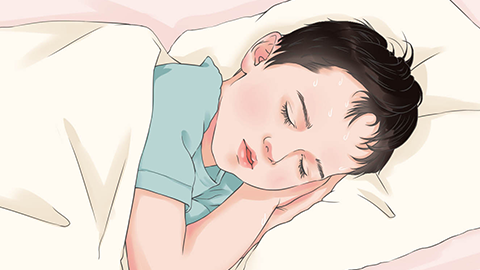
In daily life, patients should cultivate a positive mental outlook, actively cooperate with healthcare providers during treatment, take prescribed medications consistently and as directed, and pay close attention to routine self-care—thereby supporting timely improvement in their condition. We hope this information proves helpful to you.


