


What Are the Symptoms of Yang Deficiency Constitution?

Yang deficiency constitution is primarily a concept in Traditional Chinese Medicine (TCM), referring to insufficient or weakened Yang Qi within the body, leading to diminished physiological function or general weakness. The main causes of this constitution include congenital Qi deficiency or Kidney Qi deficiency; it may also arise following Spleen impairment. So, what are the symptoms of Yang deficiency constitution?
Symptoms of Yang Deficiency Constitution
Individuals with Yang deficiency constitution commonly experience chills, low mood, and a swollen or enlarged tongue. The most prominent symptom is persistent cold sensation—even in relatively warm environments—due to insufficient Yang Qi, which results in reduced cellular metabolic activity. Consequently, affected individuals frequently feel fatigued, mentally sluggish, and lethargic. Water metabolism and fluid transformation are comparatively weak in Yang deficiency, primarily because the warming and vaporizing functions of Yang Qi are diminished, leading to inadequate evaporation and fluid dispersion. When excessive fluids accumulate in the body, the tongue becomes swollen and enlarged.
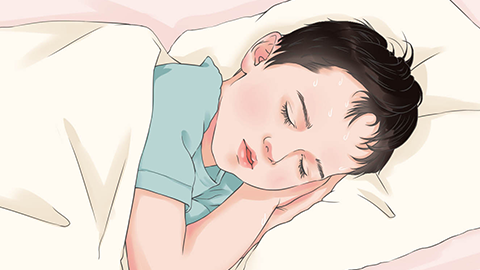
As Yang deficiency manifests as “cold” in TCM, its primary clinical features include aversion to cold—such as cold hands and feet—a condition Western medicine refers to as peripheral circulatory insufficiency. Additional manifestations may include pallor, drowsiness, nocturnal emissions in men, and dysmenorrhea, leukorrhea, loose stools, increased urination, or diminished libido in women. Individuals typically feel cold easily, sweat readily, prefer hot foods and beverages (e.g., hot water or congee), experience low mood, and tend to sleep excessively.
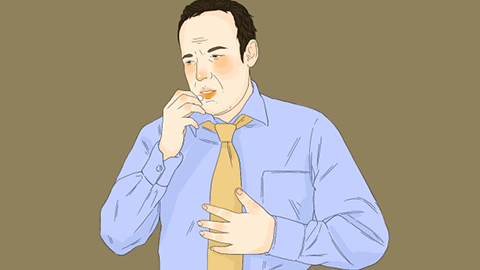
In daily life, patients should maintain an optimistic mindset, actively cooperate with healthcare providers for treatment, take prescribed medications regularly and as directed, and pay close attention to routine self-care—thereby facilitating prompt improvement of their condition. We hope this explanation proves helpful to you.


