


Causes of Night Sweats

Some people sweat during sleep at night—a phenomenon commonly referred to as “night sweats.” Most individuals experience night sweats occasionally, often due to physical weakness. Excessive room temperature or wearing too many layers of clothing can also cause sweating; however, this type of sweating is generally considered a relatively normal physiological response. If night sweats persist despite a cool ambient temperature and minimal clothing, it may indicate an underlying health issue. So, what causes night sweats?
Causes of Night Sweats
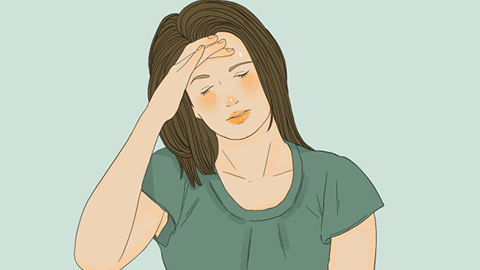
Night sweats may result from poor sleep environments or yin deficiency, among other factors. Many individuals experience night sweats due to suboptimal sleeping conditions—such as inadequate ventilation, high indoor temperatures, or non-breathable bedding materials. Therefore, affected individuals are advised to avoid such triggers by selecting quiet, comfortable, and well-ventilated sleeping environments. Night sweats may also signal yin deficiency. Patients with yin deficiency typically begin sweating shortly after falling asleep, often profusely. Additional symptoms may include facial flushing, dry mouth, and irritability. These patients should avoid spicy, warming foods—particularly chili peppers and ginger—and instead consume more yin-nourishing foods.
Night sweats can be treated through active management of the underlying condition and appropriate use of traditional Chinese medicine (TCM). In some cases, night sweats stem from primary diseases—including diabetes, hyperthyroidism, malignancies, and menopause. Since these underlying conditions trigger the night sweats, treating them is essential for achieving a fundamental resolution. Night sweats are commonly associated with kidney yin deficiency or upward flaring of deficient fire; thus, herbal formulas that nourish yin—such as Liu Wei Di Huang Wan (Rehmannia Six Formula) and Gou Qi Di Huang Wan (Lycium-Rehmannia Pill)—may be beneficial.
Individuals experiencing night sweats are advised to promptly adjust their lifestyle habits, maintain a healthy daily routine, prioritize regular sleep schedules (going to bed early and rising early), and eat meals at consistent times. We hope this information proves helpful.


