


What are the symptoms of Liver Qi Stagnation and Spleen Deficiency?

To maintain health, the human body must ensure balance and harmony among all its organs. These organs work synergistically to sustain normal physiological function. However, some patients develop concurrent deficiency of the Liver and Spleen. What symptoms characterize Liver Qi stagnation with Spleen Qi deficiency?
Symptoms of Liver Qi Stagnation with Spleen Qi Deficiency
Liver Qi stagnation with Spleen Qi deficiency arises from prolonged emotional disturbances—such as anger, anxiety, or tension—that impair the free flow of Liver Qi, thereby further weakening the Spleen. Patients commonly experience irritability, low mood, bilateral flank pain, chest tightness or pain, and abdominal discomfort. Typical manifestations include abdominal distension, pallor, and a sallow complexion. Even minimal physical activity may trigger shortness of breath, fatigue, spontaneous sweating, poor appetite, and loose stools. Symptoms often fluctuate with emotional state: they worsen during periods of emotional distress and significantly improve once mood stabilizes. Clinically, the tongue appears pale-red with a thin, white coating, while the pulse is fine and deep—key diagnostic signs of Liver Qi stagnation with Spleen Qi deficiency.
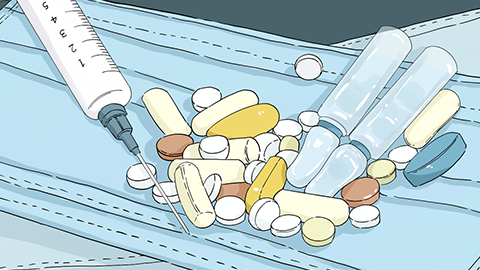
When both Liver and Spleen are deficient, patients frequently suffer from loose or watery stools. Some individuals may even develop depressive symptoms, muttering to themselves, or generalized fatigue, accompanied by feelings of tension, swelling, and pain. If left unaddressed, this pattern may progress to sore throat, yellowish tongue coating, and tooth-marked tongue edges. Recovery from Liver-Spleen deficiency requires long-term, consistent regulation. For optimal organ function throughout the body, the Spleen plays a central regulatory role. Many patients present with Spleen-Stomach deficiency primarily due to improper dietary habits—such as excessive consumption of medications that damage the Spleen, leading not only to Spleen-Stomach weakness but also to compromised Liver and Spleen function.
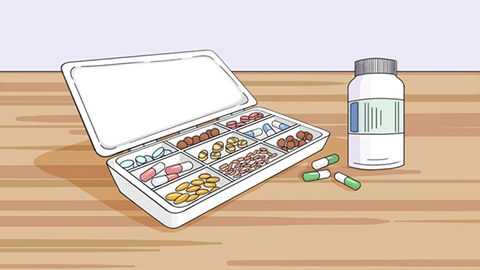
We recommend maintaining a light, balanced diet—avoiding greasy, sweet, rich, or spicy foods—and minimizing intake of stimulants. Increase consumption of fruits and vegetables, and ensure a rational distribution of vegetables, fruits, lean proteins, and whole grains in daily meals. We hope this information proves helpful to you.


