


Is Loratadine Tablets effective for treating urticaria?

Urticaria is the most common dermatological condition and significantly affects the skin. Everyone notices this disease because it causes intense pruritus (itching) and impairs the aesthetic appearance of the skin. Treatment is often challenging, as urticaria frequently recurs; therefore, appropriate and rational treatment is essential. So, is loratadine tablet effective for treating urticaria?
Is Loratadine Tablet Effective for Urticaria?
Loratadine tablets are effective in treating urticaria. Urticaria—commonly known as hives or nettle rash—is characterized by transient, localized, raised, erythematous (red) wheals on the skin and mucous membranes. These lesions appear one after another, resolve spontaneously without leaving any residual marks, and are typically accompanied by intense itching. Histopathologically, the underlying change is transient edema in the superficial dermis. Urticaria is usually triggered by pathological hypersensitivity reactions, with relatively complex etiologies. Skin involvement typically begins with pruritus, followed by the appearance of erythematous or pale wheals—varying in size, shape, and number. Onset is abrupt, and individual lesions usually subside within 24 hours without scarring. However, episodes tend to recur and may involve the respiratory tract, gastrointestinal tract, or cardiovascular system, producing corresponding clinical symptoms.

Urticaria has several distinct clinical subtypes, including physical urticaria, temperature-induced urticaria, contact urticaria, serum sickness–like urticaria, urticarial vasculitis, solar urticaria, angioedema-associated urticaria, and urticaria syndrome.
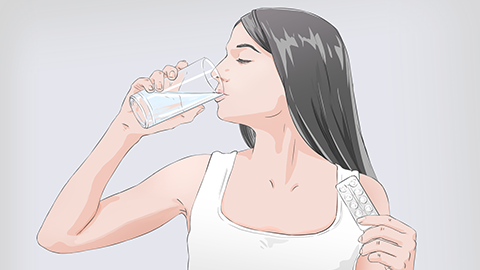
Patients should proactively adopt effective therapeutic measures and pay special attention to dietary hygiene to avoid unnecessary complications. We hope this information is helpful to you.


