


Is it normal to develop acne at age 13?

Acne, commonly known as “youth acne” or “pimples,” primarily manifests as skin lesions on the face, chest, and other areas—including papules, pustules, nodules, comedones (blackheads and whiteheads), and cysts—significantly impacting social interactions, work, and daily life. So, is it normal for a 13-year-old to develop acne?
Is it normal for a 13-year-old to develop acne?
In general, acne onset at age 13 is often a normal physiological phenomenon, frequently linked to hormonal fluctuations during puberty. At this age, sebaceous glands become highly active, leading to increased sebum production and subsequent comedone formation. In addition to acne, other associated symptoms may include enlarged pores, dull complexion, and oily skin. Patients should prioritize adequate rest, avoid staying up late, maintain regular sleep-wake cycles, and limit intake of spicy foods. Adopting healthy lifestyle habits often leads to natural improvement in acne symptoms. For more severe cases, topical medications such as Binghuang Ointment or Adapalene Gel may be used under medical supervision.
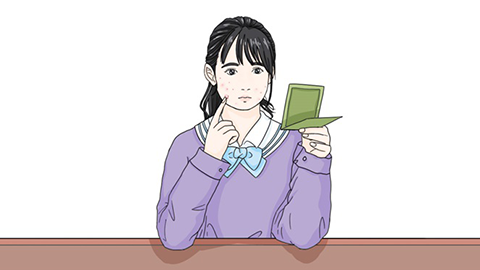
In daily life, numerous factors—including environmental exposures, physiological changes, emotional stress, and nutritional imbalances—can disrupt endocrine function. Common manifestations include facial acne, hyperpigmentation (e.g., melasma), and menstrual irregularities. At such times, patients should maintain a calm mindset, minimize academic pressure, adhere to sound lifestyle practices, consume ample fruits and vegetables, and reduce intake of greasy or high-fat foods. Increasing outdoor physical activity and applying topical agents—such as Erythromycin Ointment or Adapalene Gel—under physician guidance are also recommended.

Patients are advised to proactively pursue effective treatment and pay close attention to dietary hygiene to prevent unnecessary complications. We hope this information proves helpful.


