


Can eczema be cured?

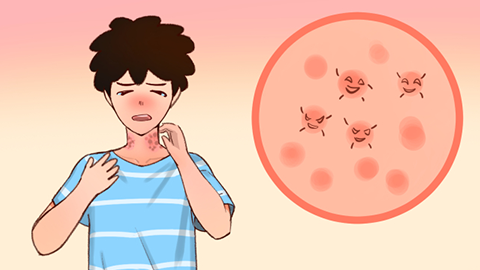
Symptoms caused by eczema are extremely distressing. Various skin lesions may appear, accompanied by intense pruritus (itching). To prevent scarring, patients must avoid scratching—yet this can significantly impair their quality of life. Eczema often recurs because its etiology is multifactorial, leaving many patients confused: Can eczema be cured?
Can eczema be cured?
Yes, eczema can be cured. It is clinically classified into acute and chronic forms. Acute eczema typically refers to cases developing within 42 days, often presenting as urticaria-like eruptions. Prompt identification and elimination of triggering factors are essential, followed by anti-allergic therapy under medical supervision. Chronic eczema has a more variable course: some patients experience symptoms for approximately six months, while others may suffer for over ten years. Its pathogenesis is relatively complex—some cases involve autoimmune mechanisms—and resolution often depends on gradual improvement in the patient’s overall constitution.
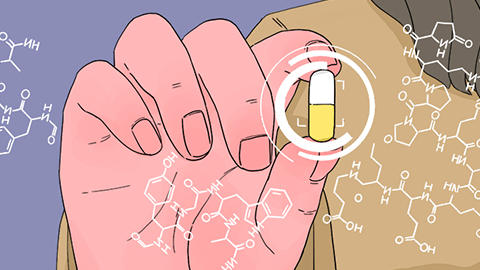
Eczema can be completely cured. Clinically, it is generally amenable to treatment. For mild cases, topical corticosteroid creams—such as hydrocortisone butyrate cream or mometasone furoate cream—as well as calamine lotion or traditional Chinese herbal topical washes, may be prescribed under physician guidance. If the rash covers a large area but symptoms remain mild, oral antihistamines—including loratadine, levocetirizine, or ebastine—may be used. In severe cases requiring systemic corticosteroids, oral prednisone or intravenous dexamethasone may be administered. Typically, recovery takes three to five days.
Patients are advised to maintain healthy lifestyle habits—avoiding smoking and alcohol, adhering to regular sleep schedules (early to bed, early to rise)—to support both physical and mental well-being. We hope this information proves helpful.


