


How is acute urticaria treated?

Acute urticaria is a rapidly onset condition characterized by sudden appearance and disappearance of pruritus (itching) and wheals within several hours. However, episodes may recur multiple times in a single day, causing relatively significant discomfort. Fortunately, this type of urticaria is generally easier to treat; therefore, timely intervention is crucial—treatment should be initiated as early as possible. So, how is acute urticaria treated?
How Is Acute Urticaria Treated?
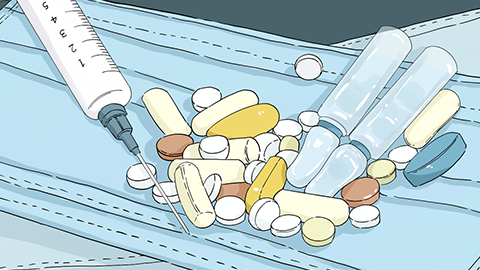
The onset of acute urticaria is typically rapid, prompting many patients to opt for intramuscular or intravenous administration of antihistamines or other anti-allergic medications. These agents effectively alleviate allergic symptoms and provide rapid relief from localized pain and itching. Many patients experience marked improvement after 2–3 days of intravenous therapy. In some cases, systemic corticosteroids may be selectively prescribed, yielding excellent therapeutic outcomes.

Pruritus is a hallmark symptom in acute urticaria, often leading patients to scratch the affected skin—resulting in excoriations or wheal formation. For localized symptoms, topical or oral antipruritic agents may be selectively employed. Oral antihistamines such as chlorpheniramine are commonly used; chlorphenamine also possesses potent antiallergic properties and demonstrates favorable clinical efficacy. Topically, sulfur ointment or calamine lotion may be applied.
Dietary management is essential in daily life: patients should avoid seafood and maintain a light, bland diet. Increased intake of plain boiled water is recommended, and clothing should be soft and non-irritating. We hope this information proves helpful to you.


