


Can patients with papular urticaria take baths?
Aug 24, 2022
Source: Cainiu Health

Dr. Liu Wan
Introduction
Patients with papular urticaria may bathe; however, they should use clean water and avoid sitting baths. They should also avoid using soap, shower gels, and other cleansing products. Additionally, it is important to avoid excessively hot water and vigorous scrubbing or friction. Irritating the hives may cause them to spread and intensify itching symptoms.
Papular urticaria is a relatively common skin disorder, primarily triggered by exposure to allergens. Its onset is typically rapid, necessitating prompt and effective treatment. However, many patients remain unaware of their condition, largely due to unfamiliarity with its symptoms. So, can individuals with papular urticaria bathe?
Can patients with papular urticaria bathe?
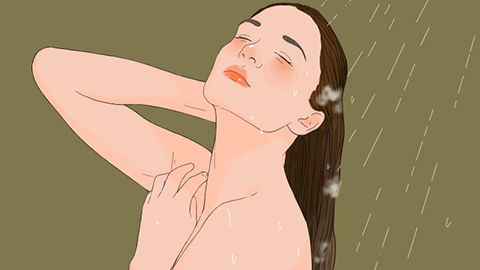
Yes, patients with papular urticaria may bathe—but only with clean, lukewarm water. Avoid sitting baths, and refrain from using soap, shower gels, or other cleansing products. Additionally, avoid excessively hot water and vigorous scrubbing or rubbing, as these may irritate the lesions, causing them to spread and intensifying pruritus (itching). Topical corticosteroid ointments—such as dexamethasone ointment, fluocinolone acetonide–borneol cream, or calamine lotion—can be applied to alleviate itching. For insect bite–related reactions, soothing topical preparations such as mentholated ointments or herbal washes may also be used. Patients with extensive involvement should consider oral sedatives and antihistamines.
In terms of diet, patients with papular urticaria should avoid excessive consumption of seafood, alcohol, and spicy foods. It is also advisable to limit intake of foods rich in plant proteins—such as pineapple, mango, and soy products. Papular urticaria is essentially an insect-bite-induced dermatitis; it represents a classic allergic reaction to foreign proteins injected into the skin during mosquito bites. Clinically, it manifests as raised, erythematous plaques and papules accompanied by marked pruritus. Certain foods may exacerbate itching and increase the number of localized papules, thereby adversely affecting health—hence, they should be avoided.

Patients exhibiting symptoms of papular urticaria should seek timely medical evaluation and treatment to prevent disease progression. We hope this information proves helpful.


