


What disease is Human Herpesvirus 4 (HHV-4)?

Herpes is a disease that poses numerous health risks to the human body, most commonly caused by infection. There are multiple forms and types of herpes, leading to a variety of treatment approaches. Consequently, many patients experience headaches during treatment. So, what exactly is Human Herpesvirus 4 (HHV-4)?
What is Human Herpesvirus 4?
Human Herpesvirus 4 (HHV-4), also known as Epstein-Barr virus (EBV), is the causative agent of infectious mononucleosis. This condition primarily affects children and adolescents; following viral infection, patients typically develop symptoms such as fever, sore throat, and lymphadenopathy. Atypical lymphocytosis is also observed in the blood. Fortunately, the majority of affected individuals recover spontaneously. Additionally, HHV-4 has been associated with certain malignancies, including lymphoma. In fact, most adults have already been infected with this virus, but only a small proportion—particularly those with compromised immunity—progress to clinical disease.
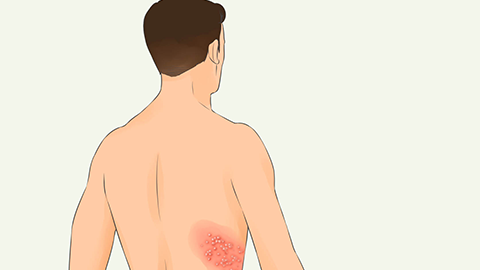
Pharmacological therapy is the most common treatment for herpes, with antiviral medications being the mainstay. Since herpes frequently manifests on the skin, most symptoms appear cutaneously. To prevent secondary skin infection and ulceration, patients must maintain wound cleanliness and hygiene throughout treatment, ensuring wounds remain dry—not moist. Damp skin fosters bacterial growth and significantly increases infection risk.

In daily life, patients should maintain a positive attitude, actively cooperate with their physicians, take prescribed medications regularly and in correct dosages, and diligently adhere to routine care measures—thereby facilitating prompt recovery. We hope this information proves helpful.


