


Can paederus dermatitis resolve spontaneously?

During the seasonal transition from summer to autumn, many people experience various skin issues, often presenting as numerous spots or lesions—commonly referred to as dermatitis. This condition may result from seasonal changes or insect bites, particularly from the rove beetle (*Paederus* spp.), leading to “rove beetle dermatitis.” So, can rove beetle dermatitis resolve spontaneously?
Can Rove Beetle Dermatitis Resolve Spontaneously?
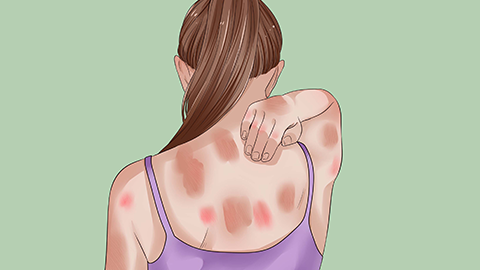
Rove beetle dermatitis can indeed resolve spontaneously. It is caused by an inflammatory reaction triggered when the skin comes into contact with the beetle’s toxic secretions. When symptoms are mild and skin lesions are minimal, patients may recover without medical intervention. However, if rove beetle dermatitis causes severe symptoms—such as extensive blistering, intense pain, or secondary infection—spontaneous recovery is unlikely, and medical treatment becomes necessary. In milder cases—characterized only by slight pruritus (itching), localized rash, or small vesicles—close observation is often sufficient. Typically, vesicles gradually absorb, itching subsides, and rashes fade naturally through the body’s self-repair mechanisms. Full recovery usually occurs within approximately seven days.

Additionally, preventive measures should be taken in daily life to avoid rove beetle dermatitis. If a rove beetle is found on the skin, do not crush or scratch it directly, as this may rupture its body and release toxic secretions onto the skin. Instead, gently remove the insect from the skin and seek appropriate care. When outdoors, wear protective clothing such as hats, masks, and long-sleeved garments to minimize exposure to biting insects.
In daily life, maintain a regular diet—avoid spicy, irritating, or overly rich foods, refrain from overeating, and ensure adequate sleep to prevent fatigue and late-night activity. We hope this information is helpful to you.


