


What Is the Difference Between Baby Powder and Talcum Powder?
Aug 24, 2022
Source: Cainiu Health

Dr. Liu Wan
Introduction
Baby prickly heat powder and talcum powder differ in their functions, ingredients, and potential for skin irritation. Baby prickly heat powder provides analgesic, antipruritic, anti-inflammatory, antibacterial, and anti-recurrence effects against prickly heat. However, if prickly heat has already developed, talcum powder offers no therapeutic benefit and may instead accumulate debris on the pores, potentially triggering new skin conditions—thus its use must be avoided.
Talcum powder and prickly heat powder are familiar to everyone—especially during summer, when infants commonly use both. These products help keep babies comfortable and safely endure the hot weather. However, many people are unaware of the differences between talcum powder and prickly heat powder. So, what distinguishes infant prickly heat powder from talcum powder?
What Is the Difference Between Infant Prickly Heat Powder and Talcum Powder?
Prickly heat powder and talcum powder differ in their functions, ingredients, and potential for skin irritation. Infant prickly heat powder provides analgesic (pain-relieving), antipruritic (itch-relieving), anti-inflammatory, antibacterial, and anti-recurrence effects against prickly heat (miliaria). In contrast, if a baby already has developed prickly heat, talcum powder offers no therapeutic benefit; instead, it may accumulate debris on pores and potentially trigger new dermatological issues—thus its use should be avoided in such cases. Some chemical components found in both products can irritate the skin—for example, menthol and salicylic acid present in talcum powder. Compared with prickly heat powder, talcum powder generally contains lower concentrations of irritants such as menthol, meaning it tends to be less irritating to an infant’s delicate skin.
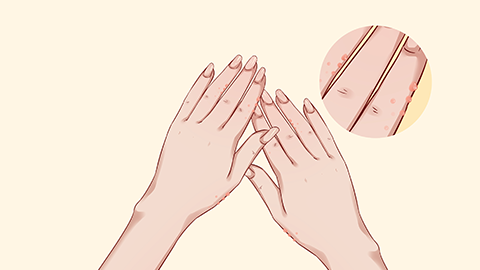
If a child exhibits symptoms of prickly heat, applying prickly heat powder is recommended for treatment. In severe cases—such as when pustules rupture or abscesses develop—these may indicate secondary bacterial infection. Under such circumstances, a physician may prescribe anti-inflammatory and antimicrobial medications for treatment and symptom relief. During this period, maintaining clean, hygienic, and dry skin is essential.
In daily life, maintain a balanced diet: avoid spicy or irritating foods, overeating, and staying up late. We hope this information proves helpful.



