


How to Treat Athlete’s Foot
Aug 24, 2022
Source: Cainiu Health

Dr. Liu Wan
Introduction
Tinea pedis (also known as athlete’s foot) is a superficial fungal infection caused by dermatophytes. Treatment should be selected based on the specific clinical type of tinea pedis. Generally, tinea pedis is classified into three types according to the morphology of skin lesions: vesicular tinea pedis, squamous-hyperkeratotic tinea pedis, and intertriginous (macerative) tinea pedis. For vesicular tinea pedis, patients may soak their feet in antifungal foot powder followed by topical application of compound benzoic acid ointment.
Beriberi is unlikely to resolve spontaneously, thus requiring pharmacological treatment. However, faced with the wide variety of antifungal medications available for treating beriberi, many patients are uncertain about which option to choose. In fact, although numerous drugs are available for treating beriberi, not all yield optimal efficacy. So, how should beriberi be treated?
How to Treat Beriberi
Treatment of beriberi—also known as tinea pedis—should be tailored according to the specific clinical subtype of the condition. Tinea pedis is a superficial fungal infection caused by dermatophytes. Based on the morphology of skin lesions, it is generally classified into three types: vesicular tinea pedis, squamous-hyperkeratotic tinea pedis, and intertriginous (macerative) tinea pedis. For vesicular tinea pedis, soaking the feet in an antifungal foot powder followed by topical application of compound benzoic acid ointment is recommended. For squamous-hyperkeratotic tinea pedis, alternating use of terbinafine hydrochloride cream and urea ointment may be effective.

In fact, treating beriberi is relatively straightforward—the key lies in proper foot care. Since beriberi results from fungal infection, its clinical manifestations vary and may include vesicles, erosions, and scaly hyperkeratosis, thereby warranting classification into distinct subtypes. Topical antifungals such as clotrimazole cream or terbinafine hydrochloride cream are commonly used. In cases of intertriginous (macerated) tinea pedis, ointments should be avoided; instead, terbinafine hydrochloride solution may be applied topically. Note that standard treatment for beriberi typically requires continuous application for at least two weeks.
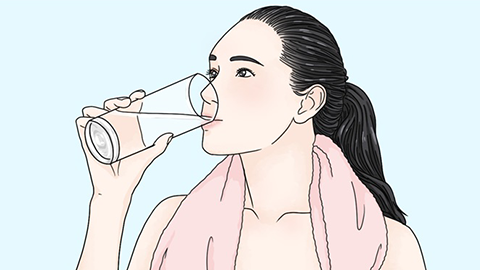
Patients are advised to drink plenty of water, change shoes frequently, wash shoes regularly, and air-dry them thoroughly—these measures help reduce the risk of tinea pedis recurrence. We hope this information proves helpful to you.


