


What Causes Anal Itching?

Although living standards have improved significantly, the incidence of various diseases—including anal pain—has paradoxically increased due to numerous factors. While anal pain is rarely life-threatening, it can severely disrupt daily life and cause considerable distress. So, what causes anal pruritus?
What Causes Anal Pruritus?
Anal pruritus commonly results from external irritants leading to moisture accumulation and itching around the anus, or arises secondary to common anorectal conditions such as hemorrhoids or anal fissures. Once anal pruritus develops, patients should seek evaluation and treatment at a reputable medical institution’s proctology department. Diagnosis typically involves physical examination—including visual inspection of the perianal area, digital rectal examination, and anoscopy—to confirm the underlying cause. The mainstay of treatment is symptomatic pharmacotherapy. Local management may include sitz baths with diluted potassium permanganate solution, combined with topical agents such as anti-dampness and antipruritic ointments or butylaminobenzoic acid (butorphanol) ointment. If pruritus stems from underlying anorectal disorders like hemorrhoids and fails to respond adequately to conservative medical therapy, surgical intervention—for example, excision—may be considered.
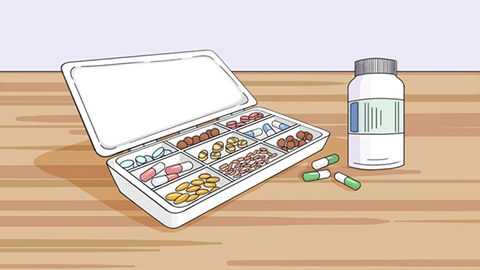
Patients must adjust their diet by avoiding spicy and irritating foods—such as chili peppers, tobacco, alcohol, fried foods, and other “heat-inducing” items—as these may exacerbate local inflammation, constipation, painful or difficult defecation, and perianal discomfort. Instead, patients should consume ample dietary fiber from vegetables and fruits and drink plenty of water to maintain adequate intestinal hydration. Drinking a glass of honey water each morning helps lubricate the intestines, promotes peristalsis, alleviates constipation, and supports recovery from perianal swellings. In addition to dietary modifications, attention to lifestyle habits is essential: maintain regular bowel habits and avoid prolonged sitting, standing, or squatting.
All medications must be used strictly under physician supervision; self-medication is strongly discouraged. We hope this information proves helpful to you.


