


Can I get a dental filling during my menstrual period?
Aug 24, 2022
Source: Cainiu Health

Dr. Zhang Liwen
Introduction
Dental fillings are generally not recommended during menstruation. During this period, women often experience some degree of physical discomfort, and some may even suffer from dysmenorrhea. Under such circumstances, performing oral procedures may trigger or exacerbate these discomforts; however, they do not cause any significant abnormalities.
Many women neglect oral hygiene in daily life and fail to brush their teeth thoroughly each time, leading to the accumulation of dental plaque and tartar. Over time, these deposits can strongly irritate dental tissues, ultimately resulting in dental caries (cavities). If a cavity becomes large, prompt restorative treatment is essential to prevent worsening symptoms. But can dental fillings be performed during menstruation?
Can dental fillings be performed during menstruation?
Generally, dental fillings are not recommended during menstruation. During this period, many women experience physical discomfort, and some suffer from dysmenorrhea (painful menstruation). Under such conditions, additional oral procedures may trigger or exacerbate existing discomfort—though they typically do not cause significant abnormalities. Moreover, women’s immune resistance decreases during menstruation, hormonal levels fluctuate, and the blood coagulation system undergoes physiological changes, increasing the risk of compensatory bleeding. Therefore, dental fillings are discouraged at this time to minimize the risk of wound infection.
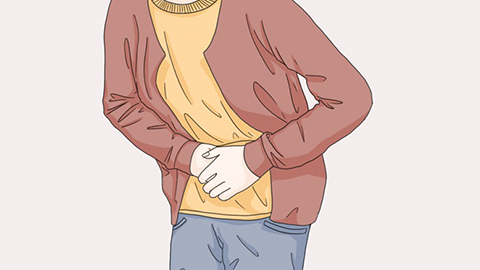
During menstruation, dietary recommendations generally emphasize warm, nourishing foods rich in high-quality protein and essential nutrients. Suitable options include eggs, milk, fish, shrimp, lean meats, red dates, longan fruit, brown sugar water, animal offal, goji berries, and a variety of fresh vegetables and fruits. Consuming these foods helps replenish vital nutrients, support blood production, and prevent anemia and associated discomfort caused by menstrual blood loss. Additionally, while no strict dietary restrictions apply during menstruation, it is advisable to limit intake of raw, cold, or spicy foods. A balanced, diverse, and non-restrictive diet remains optimal for maintaining overall health.
Patients should pay close attention to their physical condition during menstruation, maintain regular sleep schedules, and avoid staying up late. We hope this information has been helpful to you.


