


Is lobar pneumonia serious?
Aug 31, 2022
Source: Cainiu Health

Dr. Guo Xiheng
Introduction
The severity of lobular pneumonia depends on the size of the infected lesion. If the lesion is relatively small, symptoms are generally mild, and most patients recover rapidly with active symptomatic drug therapy. However, if the infection involves a large area and causes significant damage to lung tissue, the disease becomes severe. Lobular pneumonia predominantly affects infants and young children, and is commonly caused by *Mycoplasma* or *Chlamydia*.
Pneumonia is one of the more common diseases encountered in daily life. Different types of pneumonia reflect varying disease severities and require distinct treatment approaches. So, how serious is lobular pneumonia?
How Serious Is Lobular Pneumonia?
The severity of lobular pneumonia depends on the size of the infected lesion. If the lesion is relatively small and symptoms are mild, most patients recover rapidly with prompt, appropriate symptomatic treatment. However, if the infection involves a large area and causes significant damage to lung tissue, the disease becomes more severe. Lobular pneumonia predominantly affects infants and young children, and is commonly caused by *Mycoplasma* or *Chlamydia* species. Affected children often develop high fever and coughing, necessitating evaluation by a pulmonologist. Testing for *Mycoplasma* infection is recommended, and upon confirmation, treatment with macrolide antibiotics—under physician supervision—is highly effective. Most patients require approximately two weeks of therapy.
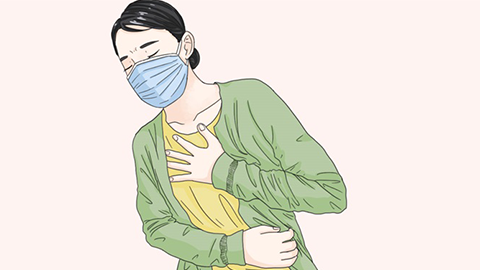
Regarding dietary management, patients with lobular pneumonia should consume foods with antimicrobial and anti-inflammatory properties, as well as foods that clear heat and resolve toxicity, and those rich in protein. Lemons contain abundant vitamin C, which helps clear heat and resolve toxicity and also promotes intestinal digestion and absorption. Patients are advised to consume lemons daily, preferably in the form of lemon water. Eggs are high in protein and can enhance immune function—making them an appropriate food choice for these patients. Additionally, patients should avoid fatty, hard-to-digest, and highly irritating foods—such as chili peppers, lard, and zongzi (sticky rice dumplings)—as excessive intake may exacerbate the condition.
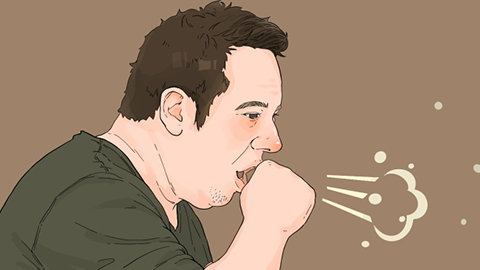
Lobular pneumonia is a relatively common condition in daily life, and proper, evidence-based treatment is essential. We hope this information is helpful to you.


