


What should I do if I have rheumatism?
Sep 01, 2022
Source: Cainiu Health

Dr. Liu Aihua
Introduction
General treatment for rheumatic diseases includes non-pharmacological management, medication, and surgical intervention, among which drug therapy is the most important. Non-pharmacological management refers to providing health education to patients once a diagnosis of rheumatic disease is confirmed, helping them correctly understand the condition, build confidence, actively cooperate with treatment, and relieve symptoms through certain physical therapies and symptomatic treatments.
Rheumatic diseases are common among middle-aged and elderly individuals. Due to their complex etiology, these conditions remain challenging to treat effectively. Most patients diagnosed with rheumatic disease face lifelong management, as complete cure is relatively rare. So, what should one do upon diagnosis?
What to Do If Diagnosed with a Rheumatic Disease
Standard treatment approaches for rheumatic diseases include general (supportive) measures, pharmacotherapy, and surgical intervention—with pharmacotherapy being the cornerstone. General management involves patient education immediately following diagnosis to foster accurate understanding of the disease, build confidence, and encourage active participation in treatment. Symptom relief may be achieved through physical therapies and symptomatic interventions. Pharmacologically, nonsteroidal anti-inflammatory drugs (NSAIDs) are commonly prescribed to alleviate joint inflammation and pain. Glucocorticoids and immunosuppressants are also employed to control disease progression and preserve organ function. In cases of severe joint deformity or functional impairment, surgical intervention may become necessary. Treatment selection must be individualized according to each patient’s specific clinical presentation.
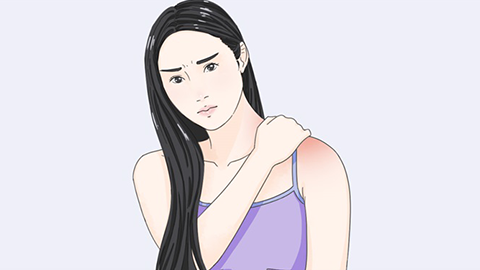
Patients with rheumatic disease should maintain a balanced diet rich in protein and vegetables while limiting intake of spicy foods and seafood. Smoking and alcohol consumption should be avoided. Foods high in protein and vitamins—such as milk, soy products, seasonal vegetables, and fruits—are especially recommended. Traditional remedies, such as drinking ginger-infused water or soaking feet in warm water before bedtime, may offer supplementary benefits and can be considered. Regular physical activity or productive labor helps strengthen the body, enhance disease resistance, and improve tolerance to environmental triggers like wind, cold, and dampness. Patients should avoid bathing in cold water immediately after sweating during work or exercise, and should protect themselves from drafts. Mattress covers and bed linens should be washed and dried frequently to ensure cleanliness and dryness. Undergarments should be changed and laundered promptly after sweating. Living environments should be well-ventilated and regularly exposed to sunlight.
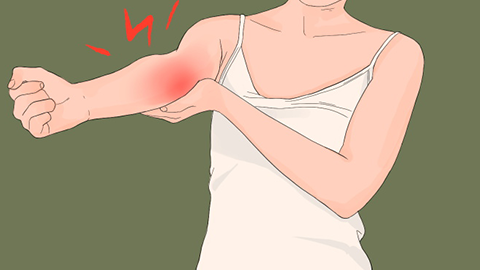
Rheumatic diseases are notoriously difficult to cure completely; however, proactive and comprehensive management—including careful dietary regulation—is essential. We hope this information proves helpful to you.


