What are the sequelae of encephalitis in children?
Sep 13, 2022
Source: Cainiu Health

Dr. Xie Zixing
Introduction
Aftereffects of encephalitis in children may include epilepsy, limb paralysis, intellectual disability, blindness, aphasia, and seizures. If a child has relatively low immunity, there may also be underdeveloped blood-brain barrier function, making them highly susceptible to infections by bacteria, viruses, or tuberculosis bacilli, which can lead to various types of encephalitis. However, most patients recover through proper and professional medical treatment.
What are the sequelae of pediatric encephalitis?
What Are the Sequelae of Pediatric Encephalitis?
Possible sequelae of pediatric encephalitis may include epilepsy, limb paralysis, intellectual disability, blindness, aphasia, and seizures. If a child has relatively low immunity, they may also have underdeveloped blood-brain barrier function, making them highly susceptible to infections by bacteria, viruses, or tuberculosis bacilli, which can lead to various types of encephalitis. However, most patients can fully recover with proper and professional medical treatment.
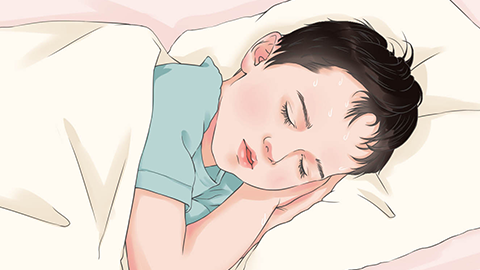
Pediatric encephalitis is a common central nervous system infectious disease caused by bacteria, viruses, parasites, or fungi. The most common type in children is viral encephalitis, also known as sporadic encephalitis. There are many types of viral encephalitis, primarily caused by various different viruses. Among them, mumps and Japanese encephalitis (JE) are the most prevalent. JE mostly occurs during summer and autumn, with mosquitoes serving as important vectors. The vast majority of cases are caused by infections from viruses, bacteria, molds, spirochetes, rickettsiae, and parasites. Main features of encephalitis include high fever, headache, convulsions, and in severe cases, disturbances of consciousness such as drowsiness and coma.
Typically, with early diagnosis and timely treatment, most children with encephalitis can recover quickly. However, a small number of children with severe encephalitis may develop varying degrees of neurological sequelae. We hope this answer has been helpful to you. Wishing you good health and happiness.