What medications are used to treat lung diseases?
Sep 13, 2022
Source: Cainiu Health

Dr. Guo Xiheng
Introduction
There are many types of lung diseases, and medications are prescribed according to specific conditions. Lung diseases include tuberculosis, pneumonia, and lung abscesses. If it is a lung abscess, it is usually caused by anaerobic bacteria, and penicillin is the preferred treatment. For patients allergic to penicillin, alternatives such as clindamycin or azithromycin can be used. Commonly used drugs for tuberculosis include rifampicin and streptomycin. Patients with tuberculosis should undergo regular follow-up examinations during treatment.
During lung disease, many patients are unsure which medications they should take and which might be harmful to their bodies. What medications are used to treat lung diseases?
What Medications Are Used to Treat Lung Diseases?
There are many types of lung diseases, and medication choices depend on the specific condition. Common lung diseases include tuberculosis, pneumonia, lung abscess, pneumothorax, and lung cancer. A lung abscess is usually caused by anaerobic bacterial infection, for which penicillin is the first-line treatment.
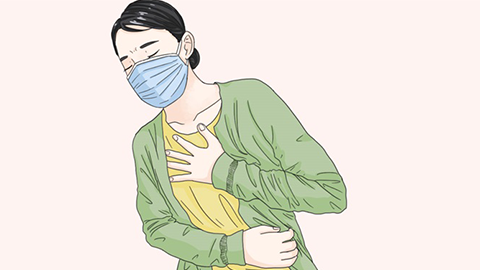
For patients allergic to penicillin, alternatives such as clindamycin or azithromycin may be used. Tuberculosis treatment typically involves medications like rifampicin, streptomycin, isoniazid, pyrazinamide, and ethambutol. Patients undergoing tuberculosis treatment must regularly monitor liver and kidney function.

In terms of diet during lung illness, cold foods should be avoided, as raw and cold foods may suppress lung function, impair phlegm resolution, increase dampness, and worsen coughing, asthma, and similar conditions. Smoking and alcohol should be avoided, and spicy or irritating foods should be consumed with caution to prevent excessive coughing. It's advisable to drink plenty of water and consume easily digestible foods or semi-liquid meals that help resolve dampness and clear phlegm. Since pneumonia often accompanies high fever and increased physical exhaustion, a high-energy diet rich in easily digestible, high-protein foods is recommended. Eating more fruits can help increase fluid and vitamin intake. We hope this information is helpful. Wishing you good health and happiness.