What is crush syndrome
Sep 13, 2022
Source: Cainiu Health

Dr. Li Feng
Introduction
Compartment syndrome is caused by increased intracompartmental pressure following trauma, leading to compression of blood vessels and nerves within the compartment. It can result in a series of symptoms and signs, and is clinically most commonly seen in the forearm and lower leg. When these two areas suffer trauma, prolonged compression, or closed comminuted fractures, compartment pressure gradually increases, causing damage to blood vessels and nerves, which may lead to distal paresthesia, numbness, and abnormal sensations in the affected limb.
In daily life, some patients may experience a series of pathophysiological changes in the body due to compression of the arms or legs, leading to limb swelling. What is crush syndrome?
What is Crush Syndrome
Crush syndrome results from increased pressure within a fascial compartment following trauma, causing compression of blood vessels and nerves in the compartment. This can lead to a variety of symptoms and signs, most commonly seen clinically in the forearm and lower leg. When these areas suffer trauma, prolonged compression, or closed comminuted fractures, compartment pressure gradually increases, damaging blood vessels and nerves. This leads to distal symptoms such as tingling, numbness, sensory disturbances, and impaired circulation. If timely surgical decompression is not performed, it can easily result in necrosis of the distal extremities.
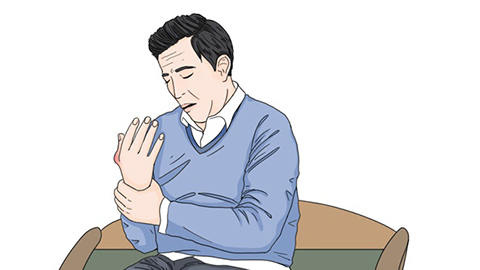
After crush syndrome occurs, prompt treatment at a正规 hospital is essential. For patients with crush syndrome, an intravenous access should be established quickly, followed by rapid fluid resuscitation. Meanwhile, vital signs should be closely monitored. If blood pressure does not rise significantly after fluid administration, vasopressor agents should be given. Blood tests including complete blood count, biochemical profiles, and particularly serum myoglobin levels must be closely monitored. If the patient's hemoglobin level continues to drop, prompt transfusion of blood components is required.

For nursing care of crush syndrome, cool the injured limb with cold water or expose it to cool air. Massage and heat application are strictly prohibited, as they may worsen tissue hypoxia. We hope this information is helpful to you. Wishing you good health and happiness.