Can duodenal papillary cancer be cured?
Sep 13, 2022
Source: Cainiu Health

Dr. Peng Xiaodong
Introduction
Due to its slow progression and low malignancy, duodenal papillary carcinoma is commonly treated with surgical resection, which often yields favorable therapeutic outcomes; many patients can even be cured. Duodenal papillary carcinoma is one of the more common tumors of the duodenum and refers to tumors arising at the confluence of the common bile duct, pancreatic duct, and duodenum. It occurs more frequently in males.
Some people experience stomach pain and even black stools, which may develop into ampullary carcinoma of the duodenum. This cancer can compress the bile duct and pancreatic duct, causing recurrent upper abdominal pain. The cure rate for ampullary carcinoma of the duodenum is still relatively high, but regular follow-up examinations are necessary. Can ampullary carcinoma of the duodenum be cured?
Can Ampullary Carcinoma of the Duodenum Be Cured?
Since ampullary carcinoma of the duodenum progresses slowly and has low malignancy, surgical resection is often performed to achieve good therapeutic outcomes, and most patients can even be cured.
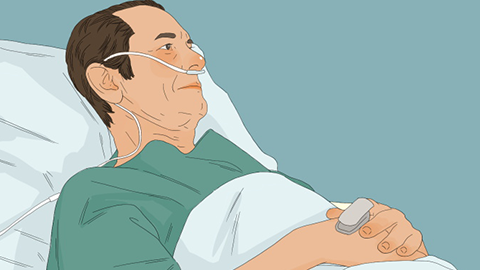
Ampullary carcinoma of the duodenum is one of the common tumors of the duodenum. It refers to a tumor occurring at the junction of the bile duct, pancreatic duct, and their confluence. It is more common in males, with typical onset age between 50 and 60 years. Treatment should be determined based on tumor type. If the tumor is in an early stage without obvious metastasis and no contraindications for surgery, extensive resection around the papilla—including surrounding intestinal wall, distal bile duct, and pancreatic duct—should be performed upon early detection, which can also yield certain therapeutic effects.

Patients with ampullary carcinoma of the duodenum should ensure adequate rest, follow medical advice for standardized treatment, and pay attention to psychological support as well. Diet should be regular, avoiding spicy and irritating foods, and regular follow-up visits are essential. Maintaining a positive mood is crucial. Effectively alleviating patient suffering, improving quality of life, and achieving desired treatment outcomes depend on these factors. A light diet is recommended, while spicy food should be avoided. We hope this information helps you. Wishing you good health and happiness.