


How to treat second-degree cervical erosion
Sep 13, 2022
Source: Cainiu Health

Dr. Lv Aiming
Introduction
Cervical erosion grade II refers to cervical erosion covering 1/3 to 2/3 of the cervical surface area, classified as moderate cervical erosion. In such cases, cervical TCT and HPV testing should be performed first. If necessary, multiple cervical biopsies under colposcopy should be conducted to confirm the diagnosis and rule out cervical precancerous lesions or even cervical cancer. In these serious cases, surgery is an option.
Cervical erosion is a common gynecological condition, which can be classified into pathological and physiological types. Physiological cervical erosion does not require special treatment, while pathological cervical erosion should be treated promptly. How is second-degree cervical erosion treated?
How to treat second-degree cervical erosion
Grade II cervical erosion refers to erosion covering one-third to two-thirds of the cervical surface area, representing moderate cervical erosion. In such cases, initial screening with cervical TCT (thin-prep cytology test) and HPV testing is recommended. If necessary, multiple-point cervical biopsy under colposcopy should be performed to confirm the diagnosis and rule out cervical precancerous lesions or even cervical cancer. In severe cases, surgery may be an option.

If serious conditions are ruled out and the cervical erosion is considered a manifestation of chronic cervicitis, physical therapies such as laser, cryotherapy, or microwave ablation can be used to destroy the eroded tissue. The surrounding healthy cervical epithelium will gradually cover the treated area, and typically 1–2 treatments are sufficient for complete recovery. Alternatively, vaginal medications such as Kofute suppositories or AiBo therapy suppositories may be used, although their effectiveness is limited. These medications may relieve symptoms but often result in recurrence after discontinuation, making them less effective than physical therapy.
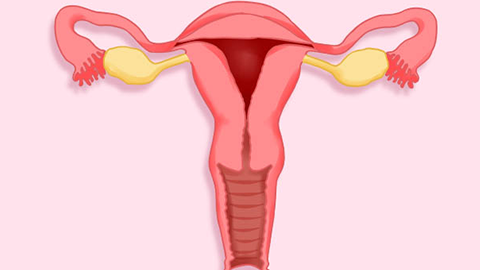
It's also important to maintain good hygiene of the genital area—wash the external genitalia daily with warm water, clean the genitals promptly after intercourse, wear loose-fitting and breathable underwear, and sun-dry washed underwear to achieve antibacterial and anti-inflammatory effects. We hope this information is helpful to you. Wishing you good health and happiness.



