What is claustrophobia?
Sep 13, 2022
Source: Cainiu Health

Dr. Zhu Gang
Introduction
Claustrophobia, also known as fear of enclosed spaces, is an anxiety condition triggered in confined environments. Claustrophobia is a type of specific phobia. Patients primarily experience fear of enclosed or crowded places, as well as apprehension about unknown situations that might occur in such settings. Once patients leave these environments, their physiological and behavioral responses quickly return to normal.
Claustrophobia is a condition that many people are unfamiliar with. When this condition occurs, it triggers intense fear in affected individuals. What exactly is claustrophobia?
What Is Claustrophobia?
Claustrophobia, also known as fear of enclosed spaces, is an anxiety disorder characterized by distress in confined environments. It is a type of specific phobia. Individuals with claustrophobia primarily experience fear of enclosed or crowded places, along with apprehension about potential unknown events that might occur in such settings. In severe cases, symptoms may include anxiety and even obsessive-compulsive behaviors. However, once the person leaves the triggering environment, their physical and behavioral symptoms typically return to normal quickly.

The hallmark of phobias is an irrational or excessive fear toward certain objects, situations, or bodily sensations, despite the absence of actual danger or reasonable cause for concern. The onset of such fears is often linked to specific environmental stimuli, including psychological and physiological factors, personal developmental experiences, personality traits, mental stress, and unpleasant childhood experiences—especially traumatic psychological events during childhood. These early traumas can leave lasting emotional scars that affect mental health in adulthood and are closely associated with the development of claustrophobia.
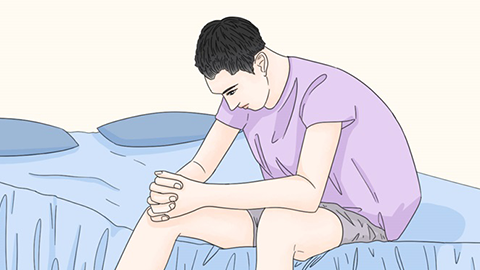
Main symptoms of claustrophobia include fear, anxiety, panic, shortness of breath, rapid heartbeat, flushing, sweating, feelings of suffocation, dizziness, and, in severe cases, a sense of impending doom. People with claustrophobia may experience these symptoms in certain situations, and individuals prone to panic attacks are particularly likely to develop claustrophobic reactions. We hope this information is helpful to you. Wishing you good health and happiness in life.