


What does high prolactin mean?
Sep 13, 2022
Source: Cainiu Health

Dr. Lv Aiming
Introduction
The causes of elevated prolactin levels vary, and so do the treatments. The most common treatment for high prolactin is medication; if this proves ineffective, surgery or radiation therapy may be considered. Treatments such as medication, surgery, and radiation can suppress the effects of prolactin and thereby alleviate symptoms. If prolactin levels are elevated, it is important to first visit a hospital for a comprehensive evaluation to determine the underlying cause and to actively cooperate with the physician.
Prolactin, also known as lactogenic hormone, is a polypeptide hormone. In women, its secretion increases markedly during late pregnancy and lactation, promoting mammary gland development and milk production. What causes elevated prolactin levels?
What Causes Elevated Prolactin Levels?
Elevated prolactin levels may result from numerous factors—pathological, physiological, or drug-induced. Pathologically, the most common causes include prolactin-secreting pituitary adenomas (prolactinomas) and hypothyroidism. Physiologically, chronic stress or emotional fluctuations, as well as intense physical exercise, may lead to increased prolactin secretion. Certain medications—including some antihypertensives and antipsychotics—can also elevate prolactin levels.
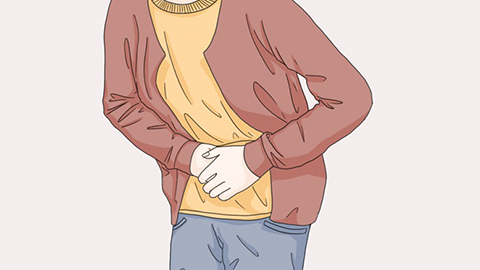
Since the underlying cause of hyperprolactinemia determines the appropriate treatment strategy, management varies accordingly. First-line therapy typically involves pharmacological intervention—most commonly dopamine agonists. If medical treatment proves ineffective, surgical resection or radiation therapy may be considered. These modalities aim to suppress prolactin secretion and thereby alleviate associated symptoms. Therefore, if elevated prolactin is detected, patients should promptly undergo comprehensive evaluation at a hospital to identify the specific cause and work closely with their physician to implement an individualized treatment plan.
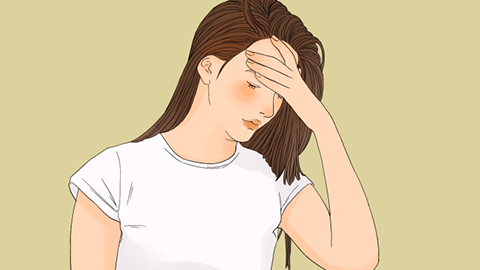
In daily life, maintaining a positive mood and avoiding excessive emotional fluctuations is essential. If medication is suspected as the cause, discontinuation (under medical supervision) may be necessary. Patients should also prioritize adequate rest, avoid staying up late, and refrain from consuming spicy or otherwise irritating foods. We hope this information is helpful. Wishing you good health and happiness!






