


How to treat heel pain caused by postpartum condition
Sep 13, 2022
Source: Cainiu Health

Dr. Lv Aiming
Introduction
Keep warm: Try to keep the heels warm and avoid cold exposure, which helps relieve heel pain.
Apply heat appropriately: Soaking feet in warm water or applying local heat therapy can help alleviate heel pain.
Use medicated patches: Applying blood-circulation-improving and bruise-dispersing plasters locally may enhance blood flow and reduce heel pain.
Local massage: Massage the muscles and ligaments around the heel, including the calf muscles and the Achilles tendon at the back of the ankle.
Postpartum confinement (sitting the month) is a stage every woman must go through after childbirth, and there are many things to pay attention to during this period. Only by properly observing the postpartum confinement can a woman’s body recover well. If proper care is not taken, not only will physical recovery be affected, but it may also lead to "confinement-related illnesses." For example, some women may experience heel pain. So how should heel pain caused by postpartum confinement be treated?
How to Treat Heel Pain Caused by Postpartum Confinement
Keep warm appropriately: Try to keep the heels warm and avoid getting cold, which helps relieve heel pain. Apply heat appropriately: Soaking feet in warm water or applying local heat therapy can help alleviate heel pain. Use medicated plasters: Applying topical plasters that promote blood circulation and resolve blood stasis can improve circulation and reduce heel pain. Local massage: Massaging the muscles and ligaments around the heel, including the calf muscles and the Achilles tendon behind the ankle, can help relieve heel pain symptoms caused by plantar fasciitis and tenosynovitis.
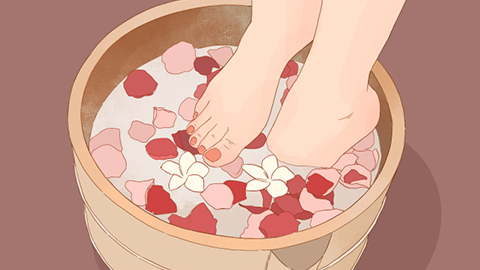
Heel pain after delivery is usually caused by invasion of wind and cold. Therefore, in treatment, special attention should be paid to keeping warm. Wear socks and shoes with thick soles. Avoid wearing high heels or hard-soled shoes within three months postpartum. When wearing sandals or slippers, it's best to wear thick cotton socks, paying particular attention to keeping the heel area warm. Calcium supplementation: Increase intake of dairy products such as cream and yogurt. Topical application of traditional Chinese herbal plasters is also helpful. These plasters can promote blood circulation, reduce swelling, relieve pain, dispel wind, and alleviate chills. Soaking feet and massaging them with warm water before bedtime each night can also effectively ease heel pain.

Confinement-related illnesses are common among many postpartum women, primarily due to unhealthy habits during the postnatal period. If not careful, it's easy to develop such conditions, and heel pain is something many women experience. The main symptom is pain in the heel, sometimes accompanied by dizziness, weakness in the lower back and knees—these are all signs of postpartum confinement illness. The condition likely arises from lack of moderate exercise and prolonged avoidance of standing or walking, leading to degeneration of the fat pad under the heel. As a result, when the new mother gets out of bed and walks, the degenerated fat pad cannot withstand the pressure of body weight and the impact from walking, causing inflammation such as edema and congestion in the foot's fat pad. This inflammatory response leads to heel pain associated with postpartum confinement illness. We hope this answer helps you. Wishing you good health and happiness.






